Inhibition of Hu-TopoIIα ATPase Domain by Quinones Induces DNA Damage and Chromosomal Aberrations
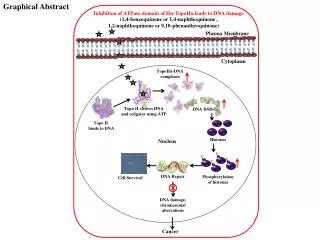
This study explores how the inhibition of the ATPase domain of human Topoisomerase II alpha (Hu-TopoIIα) by quinones, such as 1,4-benzoquinone and 9,10-phenanthroquinone, leads to significant DNA damage within cells. By disrupting the TopoIIα-DNA complexes, these compounds impair DNA cleavage and religation, resulting in the formation of double-strand breaks (DSBs). The research highlights the impact of histone phosphorylation and subsequent DNA repair in the cytoplasm and nucleus, emphasizing cell survival challenges and potential implications for cancer therapy due to DNA damage and chromosomal aberrations.

Inhibition of Hu-TopoIIα ATPase Domain by Quinones Induces DNA Damage and Chromosomal Aberrations
E N D
Presentation Transcript
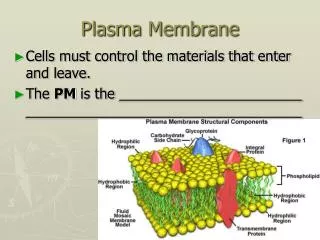
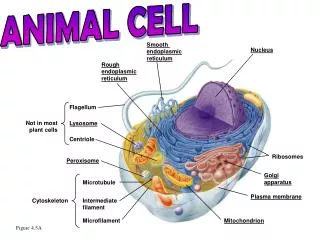
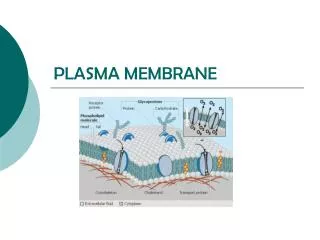
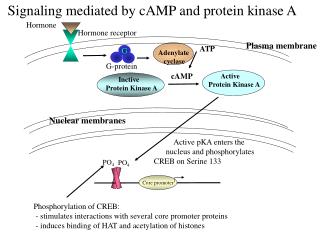
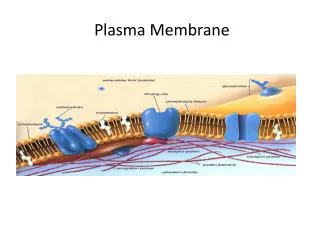
Graphical Abstract Plasma Membrane Inhibition of ATPase domain of Hu-TopoIIα leads to DNA damage (1,4-benzoquinone or 1,4-naphthoquinone , 1,2-naphthoquinone or 9,10-phenanthroquinone) Cytoplasm TopoIIα-DNA complexes Topo II cleaves DNA and religates using ATP DNA DSBs Nucleus Topo II binds to DNA Histones DNA Repair Phosphorylation of histones Cell Survival DNA damage, chromosomal aberrations P P P P Cancer