DIY Tornado
This document outlines the collaborative development of a working artificial tornado generator chamber. The project addresses the critical requirement to simulate tornado dynamics for educational purposes at the Academy. It details the team's development process, roles, and guidelines, as well as the problem statement emphasizing the dangers of tornadoes and the need for effective simulation. The report includes project scope, deliverables, research insights, potential and final solutions, and documentation of the development process, ensuring a comprehensive understanding of the project's objectives and outcomes.

DIY Tornado
E N D
Presentation Transcript
DIY Tornado Derek Zabel Kyle Carey
Group Members • Derek Zabel • Kyle Carey
Table of Contents • Team Development • Problem Statement • Problem Background • Customer/ Customer Requirements • Scope • Deliverables • Timeline
Table of Contents (cont) • Research • Potential Solutions • Final Solutions • Development Work/Analysis • Prototype/ Documenting Process • Testing/Monitoring • Summary
Team Development - Roles • Worked as one • Tasks evenly distributed • Came to consensus for decisions • Used personal experiences
Team Development – Guidelines • Split cost evenly • Contribute evenly
Problem Statement • Create a working artificial tornado generator chamber, that will effectively simulate the dynamics of a tornado.
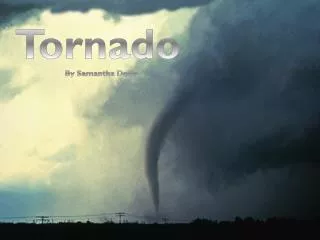
Problem Background • Dangers of Tornados • Rotation of 300+ miles per hour • Speeds over 100 miles • Heights over 60,000 feet • Tornado Watch/Warning • Watch- potential • Warning- sighting/probably cause
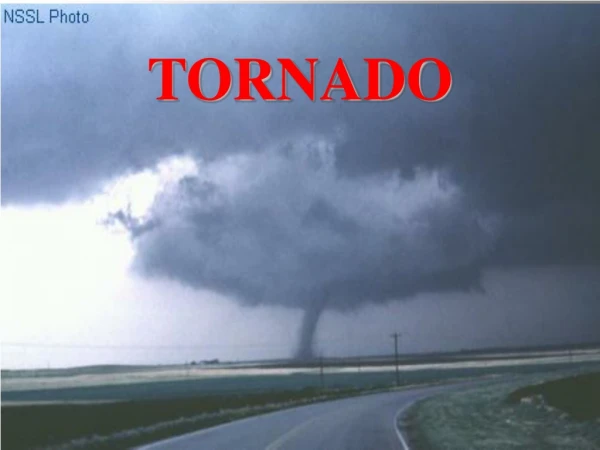
Problem Background (cont) • Tornado Touch Down
Customer Requirements • Academy Legacy • Future Student/Teachers • Personal Goal
Customer Requirements (cont) • Low cost • Proper Dimensions
Scope of the Project • Work completed • Resources • Cost • Limitations
Deliverables • Tornado chamber • Legacy • Science Demo • Research/ Future Projects