How Effective Training Reduces Employee Turnover
0 likes | 2 Vues
How Effective Training Reduces Employee Turnover highlights the role of continuous learning in improving employee engagement, job satisfaction, and loyalty. When organisations invest in relevant, career-focused training, employees feel valued and better equipped to succeed, leading to higher motivation, stronger performance, and reduced attrition over time.


How Effective Training Reduces Employee Turnover
E N D
Presentation Transcript
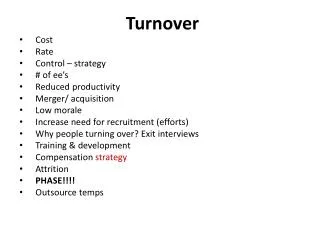
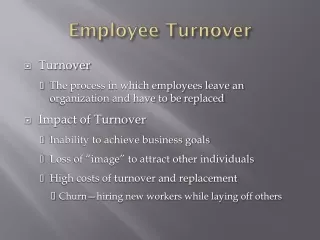
How Effective Training Reduces Employee Turnover https://saditraining.com/sadi_courses/ Employee turnover is one of the most costly challenges businesses face today. High attrition not only increases recruitment expenses but also impacts productivity, team morale, and company culture. One proven yet often underestimated solution is effective employee training. In this article, we’ll explore how effective training reduces employee turnover, strengthens workforce engagement, and creates long-term organizational stability. About : Southern Africa Development Institute Understanding Employee Turnover Employee turnover refers to the rate at which employees leave an organization and are replaced. Common causes include: ● Lack of growth opportunities ● Poor onboarding experiences
● Inadequate skill development ● Low job satisfaction ● Weak leadership and support When employees feel unsupported or unprepared, they are more likely to seek opportunities elsewhere. Check out : SADI Courses Why Training Plays a Critical Role in Retention Training is not just about skill-building — it signals investment in employees’ growth. When organizations prioritize learning, employees feel valued, confident, and motivated to stay. Key benefits of training include: ● Improved job competence ● Higher confidence and productivity ● Stronger employee engagement ● Clear career progression How Effective Training Reduces Employee Turnover 1. Builds Employee Confidence and Competence Well-structured training equips employees with the skills they need to perform their roles effectively. Benefits: ● Reduced job-related stress ● Fewer mistakes and frustrations ● Faster adaptation to responsibilities Confident employees are far less likely to leave due to performance anxiety. Also Check : World Bank Courses 2. Improves Job Satisfaction
Employees who receive continuous training feel supported and empowered. Training helps by: ● Clarifying job expectations ● Enhancing role clarity ● Providing tools to succeed Higher job satisfaction directly lowers turnover rates. SADI Training Venues 3. Creates Clear Career Growth Opportunities One of the top reasons employees leave is lack of advancement. Effective training programs: ● Prepare employees for promotions ● Develop leadership skills ● Encourage internal mobility When employees see a future within the organization, they choose to stay. 4. Strengthens Employee Engagement Engaged employees are emotionally connected to their workplace. Training boosts engagement by: ● Encouraging participation and collaboration ● Aligning employee goals with company objectives ● Making employees feel invested in Engagement reduces disengagement-related resignations. Check More At : In House Training 5. Enhances Onboarding Experience Early-stage training is crucial for retention.
A strong onboarding program: ● Helps new hires settle in faster ● Sets performance expectations early ● Reduces early turnover Employees who receive structured onboarding are more likely to stay long-term. 6. Demonstrates Organizational Commitment Training shows employees that the company values them. This leads to: ● Increased loyalty ● Stronger employer branding ● Higher trust in leadership Employees are more likely to stay with organizations that invest in their development. Also Check : https://saditraining.com/courses/ 7. Encourages Skill Development and Innovation Continuous training keeps employees updated with industry trends. Benefits include: ● Reduced skill gaps ● Improved innovation ● Increased adaptability Employees prefer organizations that help them stay relevant in their careers. 8. Improves Manager–Employee Relationships Training managers to lead effectively is equally important. Leadership training helps: ● Improve communication
● Resolve conflicts better ● Provide constructive feedback Strong management relationships reduce voluntary exits. Check more and register 9. Reduces Burnout and Work Stress Training improves efficiency and workload management. Employees who know: ● How to use tools properly ● How to manage time effectively ● How to handle challenges are less likely to experience burnout — a major cause of turnover. 10. Builds a Positive Learning Culture Organizations that promote learning foster a positive work environment. A learning culture: ● Encourages collaboration ● Increases motivation ● Enhances employee morale Happy employees stay longer. Best Practices for Effective Training Programs To maximize retention, training should be: ● Continuous, not one-time ● Personalized to roles ● Measurable and goal-oriented ● Aligned with business objectives ● Supported by leadership
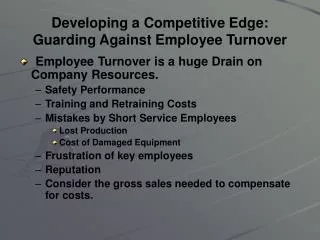
Blending online, in-person, and hands-on learning yields the best results. The Cost of Ignoring Training Without effective training, organizations face: ● Higher recruitment and onboarding costs ● Productivity loss ● Low employee morale ● Negative employer reputation Investing in training is far more cost-effective than replacing employees. Final Thoughts Employee turnover is not inevitable. Organizations that prioritize effective training create confident, engaged, and loyal employees. By offering continuous learning opportunities, clear career paths, and supportive onboarding, businesses can significantly reduce attrition and build a strong, future-ready workforce. In today’s competitive job market, training is not an expense — it’s a retention strategy.