Download
1 / 18
180 likes | 299 Vues
Effective communication with tribal governments requires a deep understanding of their unique histories, governance, and cultures. Ignoring these differences can lead to miscommunication, frustration, and failed projects. This guide highlights the importance of respect, early consultations, and patience in partnerships with tribes. It discusses common challenges, including skepticism towards federal authorities, and shares practical examples from projects like wind energy. Acknowledging the intimate knowledge tribes have of their lands is essential for successful collaboration.

E N D
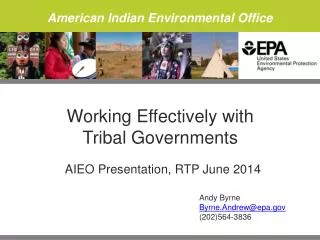
WORKING EFFECTIVELY WITH TRIBAL GOVERNMENTS STEVE CRAWFORD MS Psychology, MS zoology ENVIRONMENTAL DIRECTOR PASSAMAQUODDY TRIBE
Maine Windpower site
TRIBES ARE DIFFERENT…………. HISTORY GOVERNANCE CULTURE
AWARENESS OF THESE DIFFERENCES IS ESSENTIAL IN EFFECTIVE COMMUNICATION. IGNORANCE HAS CONSEQUENCES
CONSEQUENCES: • MISCOMMUNICATION • MISUNDERSTANDING • FRUSTRATION • FAILURE
SOME COMMONALITIES • EVERY TRIBE IS: • UNIQUE • OPERATES ON TRIBAL TIME • SENSE OF PAST, PRESENT , FUTURE DIFFERENT THAN WESTERN PERCEPTION
COMMONALITIES (2) • EXTRAORDINARY SENSE OF COMMUNITY, AND PLACE • EXPERIENCES RACISM • BRAIN DRAIN • SKEPTICISM OF FED AND STATE GOVERNMENTS
EXAMPLES: • WHAT DIDN’T WORK • WIND FARM
WIND QUALITY • CLASS 3 – 14.7 MPH • 23 % CAPACITY AT 100 METERS • VIABLE WITH GE 1.5 MW • TURBINE • TRANSMISSION • RESTRICTED TO 55 MW, BY • LOCAL 115 KV LINE
TWO TRIBES • JTC • POLITICS
MULTI-MEDIA GRANT • GOALS: • Identify potential air toxins to community from plume studies. • Sample sustenance foods for pollutants. • Determine risk level to Tribe
1.EPA KNOWS WHAT’S WRONG 2. EPA WILL TELL TRIBE HOW TO FIX IT. 3. TRIBE WILL BE OVERJOYED
EXAMPLES: • WHAT WORKS: • RESPECT • EARLY, FREQUENT CONSULTATION • PATIENCE
RESPECT: • TRIBES WERE HERE FIRST • MANY (MOST?) ON ANCESTRAL LANDS, INTIMATE ENVIRONMENTAL KNOWLEDGE • NEVER FAIL TO RECOGNIZE THIS!!!
CONSULTATION • COMMUNICATION CHALLENGES: • WHO? • GOVERNOR, DIRECTOR, ADM.SECRETARY • HOW? • EMAIL, SLOW MAIL • WHEN? • EARLY AND OFTEN!!