Moon and Earth: A Comparative Study
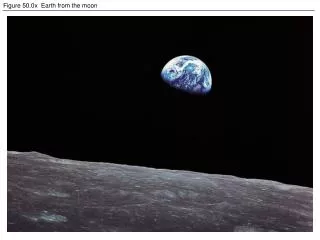
Explore the differences between the Moon and Earth in terms of size, landforms, gravity, atmosphere, water content, weathering, rotation time, orbital period, and their effects on each other.

Moon and Earth: A Comparative Study
E N D
Presentation Transcript
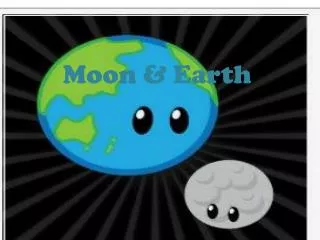
Size • The Moon is 3,476 km in diameter • The Earth is 12,742 km in diameter
Landforms • The Moon is dotted with many craters and mountains. • The Earth has mountains, valleys , hills and more.
Gravity • The Moon’s gravity is 6x less thanEarth’s gravity. • The Earth’s gravity is 6x more than the Moon’s gravity.
Weather & Atmosphere • The Moon has no atmosphere. • TheEarth’s has 5 layers of the atmosphere including the (from top to bottom) Exosphere, Thermosphere, Mesosphere, Stratosphere and Troposphere.
Water • The moon has very little water on or in it’s surface. • The Earth is around 70% of water out of 100%.
Weathering & Erosion • The Moon has no weathering or Erosion because the Moon has no atmosphere. • The Earth has an atmosphere causing the planet to have weathering & erosion.
Time To Rotate On It’s Axis • It takes the Moon 27 days to rotate on it’s axis. • It takes the Earth 24 hours to rotate on it’s axis.
Time to orbit once • The Moon takes 29 and one half days. to orbit. • The Earth takes 1 year to orbit.
Effects By The Moon And Earth • The Moon effects the earth’s high & low tides because of it’s gravity. • The Earth’s tilts on it’s axis causing the seasons because the Sun shines on specific places at different times during the Earth’s orbit.