Understanding Cushing Tissue Forceps in Surgical Procedures
0 likes | 5 Vues
Grey-Medical proudly introduces the Cushing Bayonet Tissue and Suture Forceps, meticulously designed for exceptional precision and versatility in various surgical procedures. Handcrafted from surgical-grade German stainless steel, these forceps ensure superior durability and reliability, making them an indispensable tool for any surgical team.


Understanding Cushing Tissue Forceps in Surgical Procedures
E N D
Presentation Transcript
Understanding Cushing Tissue Forceps in Surgical Procedures Surgical instruments play a crucial role in ensuring precision, safety, and efficiency during medical procedures. Among the many forceps used in surgery, Cushing tissue forceps stand out as an essential tool for handling delicate tissues with minimal trauma. Named after the renowned neurosurgeon Dr. Harvey Cushing, these forceps are primarily used in neurosurgery and other delicate surgical procedures where fine tissue manipulation is required. Their unique design and functionality make them indispensable in operating rooms worldwide. Design and Structure of Cushing Tissue Forceps
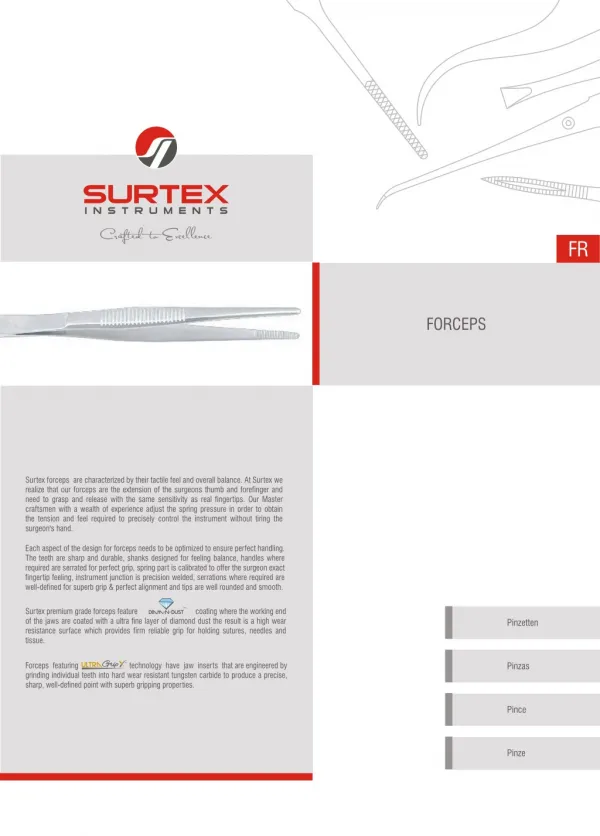
Cushing tissue forceps are meticulously crafted to provide surgeons with optimal control and precision. They are typically made from high-quality stainless steel, ensuring durability and resistance to corrosion. The forceps are available in different lengths, usually ranging from 6 to 8 inches, allowing surgeons to choose the most suitable size for their procedure. One of the defining features of Cushing tissue forceps is their narrow, slender tips, which allow for delicate handling of soft tissues. These forceps can be found with smooth or serrated jaws, depending on the surgical need. The serrated version provides a firmer grip on tissues without causing excessive damage, while the smooth variant is used when minimal pressure is required. Additionally, some Cushing forceps are available with tungsten carbide inserts, enhancing their durability and grip strength. Applications of Cushing Tissue Forceps Cushing tissue forceps are widely used in neurosurgical procedures, where delicate tissue handling is critical. In brain and spinal surgeries, even the slightest damage to tissues can have severe consequences. The fine tips and lightweight design of these forceps allow neurosurgeons to grasp and maneuver tissues with extreme precision. The forceps are also commonly used in vascular and microvascular surgeries, where the careful handling of blood vessels is essential to prevent rupture or damage. Beyond neurosurgery, Cushing tissue forceps are frequently employed in general, plastic, and ENT (ear, nose, and throat) surgeries. Their delicate yet firm grip makes them ideal for manipulating soft tissues in procedures such as facelifts, rhinoplasty, and reconstructive surgeries. They are also useful in ophthalmic surgeries, where small, precise movements are required to handle fragile eye tissues. Advantages of Using Cushing Tissue Forceps One of the main advantages of Cushing tissue forceps is their ability to minimize trauma to tissues. Because of their fine tips and lightweight structure, they allow for precise handling without exerting excessive pressure, reducing the risk of tissue damage. This is particularly beneficial in microsurgical and neurosurgical procedures, where the preservation of delicate structures is essential. Another advantage is their versatility. Available in different lengths and with varying tip designs, these forceps can be adapted to a wide range of surgical applications. Surgeons can select the appropriate version based on the specific needs of the procedure, ensuring maximum efficiency in the operating room. Additionally, the high-quality materials used in the construction of Cushing tissue forceps ensure longevity and reliability. Stainless steel provides excellent resistance to wear and sterilization processes, making the instrument a durable investment for medical facilities.
Conclusion Cushing tissue forceps are an indispensable tool in various surgical fields, particularly in neurosurgery, vascular surgery, and plastic surgery. Their precision, versatility, and ability to handle delicate tissues with minimal trauma make them highly valued by surgeons worldwide. Whether used for grasping fine tissues, maneuvering blood vessels, or performing intricate procedures, these forceps play a critical role in achieving successful surgical outcomes. Their continued use in modern medicine underscores their importance in ensuring precision and safety in delicate surgical interventions.