Understanding Informal Changes to the Constitution: Processes and Influences
This chapter explores the informal changes to the U.S. Constitution, detailing the formal amendment process and highlighting the significant roles played by political parties, the judiciary, Congress, executive actions, and customs. It discusses the two methods of proposing amendments, the ratification process, and how broad constitutional language allows for interpretation. Landmark court cases like Marbury v. Madison and Roe v. Wade illustrate the judiciary's authority in constitutional interpretation. Additionally, it examines how executive actions and congressional legislation adapt constitutional provisions to contemporary contexts.

Understanding Informal Changes to the Constitution: Processes and Influences
E N D
Presentation Transcript
Chapter 3 – “The Constitution” Section 3: Informal changes to the Constitution
The Formal Amendment Process • Quick review… • 2 methods of proposal: • 2/3 of both bodies of Congress • 2/3 of a National Convention • 2 methods of ratification: • ¾ of state legislatures • ¾ of state ratifying conventions
“Informal Amendment” Process • Broad language provides us with a “skeleton” of a government… • Phrase is a misnomer – Why? • Political parties • * The judiciary • * Congress and legislation • Executive action • Customs and precedents
Political Parties • 1796, George Washington: “the baneful effects of the spirit of the party.” • Electoral College, Congress, political conventions, appointments and nominations… • QUESTION – The United States government, Government through the people or Government through the party???
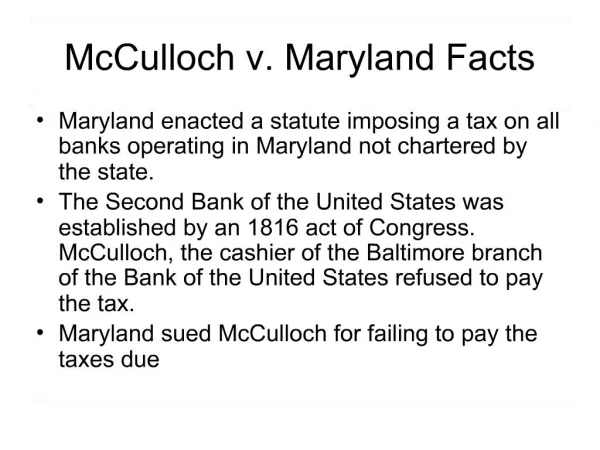
The Judiciary • Landmark court cases… • The Judiciary is the ultimate authority of how the Constitution is interpreted! • * Marbury v. Madison, 1803 • judicial review…
The Judiciary • “Aconstitutional convention in continuous session.” – Woodrow Wilson • EXAMPLES: • Griswold v. Connecticut – contraception • Loving v. Virginia – interracial marriage • Roe v. Wade – abortion • Judicial changes in the interpretation of the Constitution = nation's outlook changes as well!
Legislation and Congress • Congress and the purpose of passing laws… • Adding “flesh to the bones” • Interpretation of constitutional provisions • “Elastic clause”/“Necessary and Proper clause” • EXAMPLE: • Powers of the Congress and the Necessary and Proper clause… • Commerce clause? – “interstate commerce”
Legislation and Congress • Judiciary Act of 1789… • * Article III, Section 1: “…such inferior courts as Congress sawfit to establish.” • QUESTION – What has the Congress been left to decide?
Executive Action • Presidents have used their powers to define unclear constitutional provisions… • EXAMPLE: • Congress's power to declare war and the President's power to wage war… • What is the dilemma?
Executive Action • Presidents have extended their authority over foreign policy and avoided the constitutional requirement for the Senate to approve formal treaties… • Executive agreementsare pacts made by a President with heads of a foreign government… • FDR and executive agreements, post WWII • Treaties: formal agreement between two or more sovereign states… (AII, S2) • Examples?
Customs and Precedents • Each branch of government has developed traditions that fall outside the provisions of the Constitution… • GW, FDR and the “two term” tradition… • Which amendment???
Customs and Precedents • EXAMPLES: • President's cabinet • Senatorial Courtesy(Federal district court judges, U.S. attorneys, and federal marshals.) • QUESTION– Why is this important and what does it do?
Quick Review: • *** In most of these cases, the Constitution was not actually changed… • *** These changes in meaning are significant because they can happen by a simple judge's ruling; and they are not a part of the Constitution, so they can be changed again later.