
Hurricanes
E N D
Presentation Transcript
By: Chelsea Jacobs Hurricanes
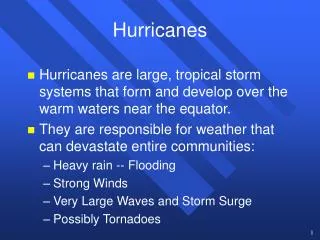
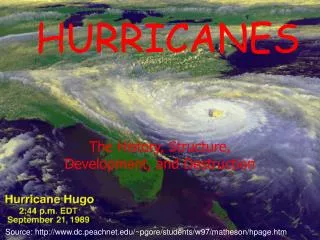
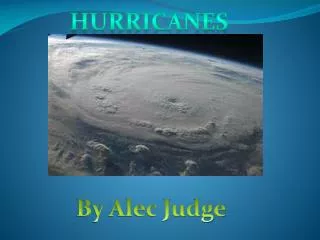
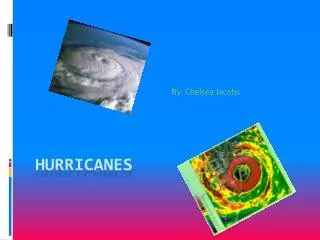
What is a hurricane? • Hurricanes are severe tropical storms that form in the southern Atlantic Ocean, Caribbean Sea, Gulf of Mexico, and in the eastern Pacific Ocean. Hurricanes gather heat and energy through contact with warm ocean waters. Evaporation from the seawater increases their power. http://www.fema.gov/kids/hurr.htm
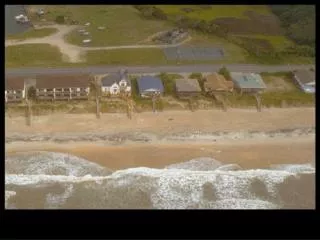
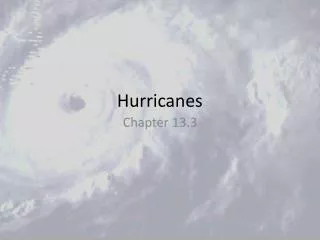
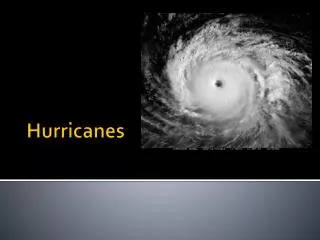
How do hurricanes form? • The wind must be blowing in the same direction and the same speed to force air upward from the ocean surface. Hurricanes rotate in a counter-clockwise direction around an "eye." Hurricanes have winds at least 74 miles per hour. When they come onto land, the heavy rain, strong winds and heavy waves can damage buildings, trees and cars. The heavy waves are called a storm surge. Storm surges are very dangerous and a major reason why you MUST stay away from the ocean during a hurricane warning or hurricane.http://www.throughtheeyeofthestorm.com/KatrinaFacts.htm
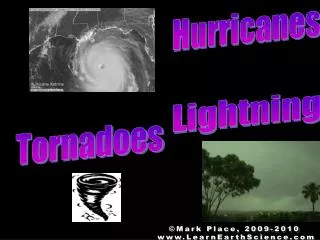
Hurricane Katrina • Katrina was the 11th named storm of the Atlantic hurricane season, which began June 1, 2005. The human toll from Katrina remains unclear. By one estimate there were 150,000 or more people, largely poor people with limited resources, still in New Orleans when the levees failed. • predicted that between 25,000 and 100,000 people would die when New Orleans was hit by a large hurricane such as Katrina. • By 08 September 2005 emergency officials in Louisiana had 25,000 body bags at hand in the aftermath of Hurricane Katrina. • http://www.throughtheeyeofthestorm.com/KatrinaFacts.htm
sources • http://www.fema.gov/kids/hurr.htm • http://www.weatherwizkids.com/weather-hurricane.htm • http://www.throughtheeyeofthestorm.com/KatrinaFacts.htm