Download
1 / 5
50 likes | 162 Vues
Imagine the possibilities if you could travel through time! Where would you go? Would you witness significant historical events, explore ancient civilizations, or glimpse into a future brimming with advanced technology? The concept of time travel is filled with paradoxes—moments that sound absurd yet may hold truths. Engage your imagination as you ponder the implications of leaving your mark in the past or shaping the future. Additionally, reflect on the idea of stagnation: how would it feel to stand still in time, never evolving? The adventure awaits!

E N D
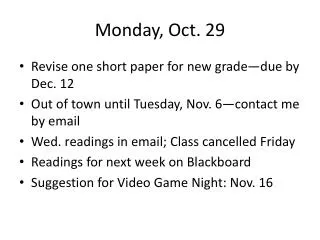
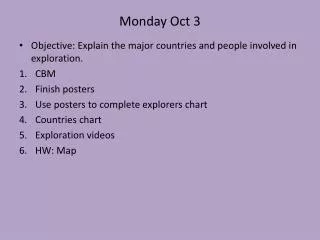
Journal PromptMonday, Oct. 22 If you could travel through time, where would you go? What would you do?
Paradox (Noun) A paradox is a statement that sounds absurd or self-contradictory, but may be true. A paradox contradicts itself or seems impossible. • “This statement is false.” “Paradox” can also refer to things or events that seem as though they should not be able to exist
Undulate (Verb) To undulate is to move with a wavelike motion. Something that is undulating forms a curved or wavy surface.
Stagnate (Verb) This word has a negative connotation. To stagnate means to stop running or flowing and become foul. It’s often used to describe still, mucky water. To stagnate can also mean to stop growing or developing. A person can stagnate if they stop learning or achieving.
Primeval (Adjective) Primeval is a word that describes something that belongs to (or looks like it should belong to) the earliest ages of the world. Something that is primeval is ancient or prehistoric and primitive.










![Journal Prompt [IN 5]](https://cdn3.slideserve.com/6699770/journal-prompt-in-5-dt.jpg)