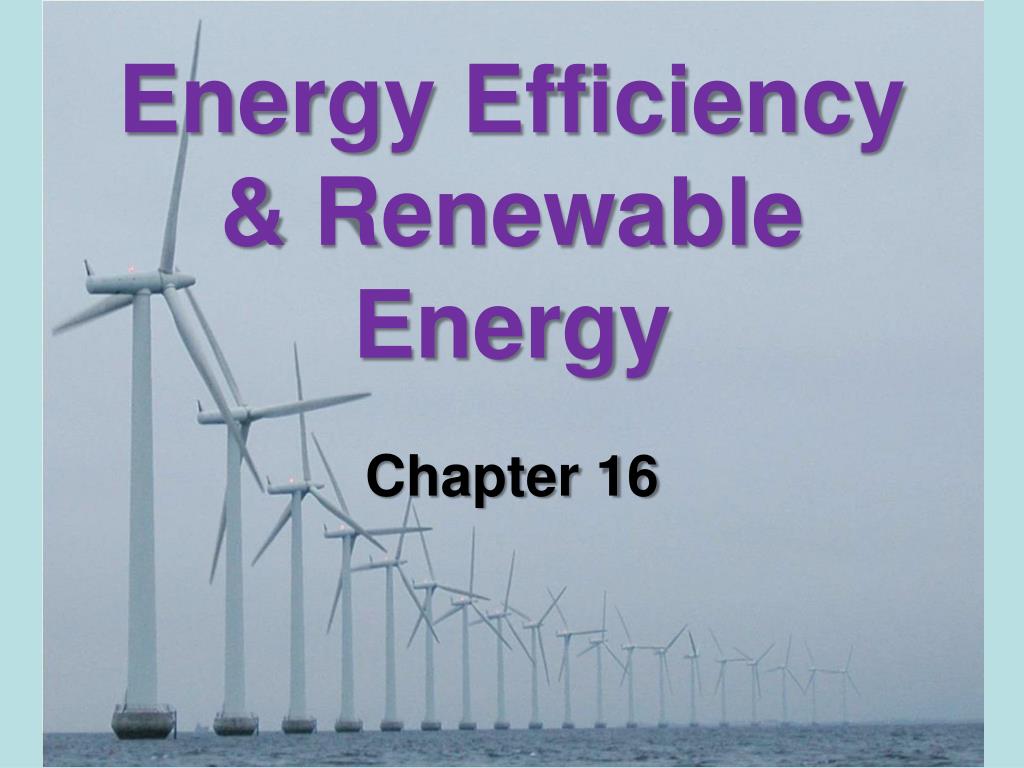
Energy Efficiency & Renewable Energy. Chapter 16. Core Case Study: Iceland’s Vision of a Renewable-Energy Economy (1). Supplies 75% of its primary energy and almost all of its electrical energy using Geothermal energy Hydroelectric power No fossil fuel deposits: imports oil
Une image / un lien ci-dessous est fourni (tel quel) pour télécharger la présentation
Politique de téléchargement : le contenu du site vous est fourni TEL QUEL pour votre information et votre usage personnel ; il ne peut être vendu, concédé sous licence ni partagé sur d’autres sites sans l’accord de son auteur.Le contenu vous est fourni TEL QUEL, pour votre information et votre usage personnel uniquement.Téléchargez la présentation en cliquant sur ce lien.Lors du téléchargement, si vous ne parvenez pas à télécharger une présentation, l’éditeur a peut-être supprimé le fichier de son serveur.Pendant le téléchargement, si vous ne parvenez pas à obtenir une présentation, le fichier a peut-être été supprimé par l’éditeur.
Core Case Study: Iceland’s Vision of a Renewable-Energy Economy (1) • Supplies 75% of its primary energy and almost all of its electrical energy using • Geothermal energy • Hydroelectric power • No fossil fuel deposits: imports oil • BragiArnason: “Dr. Hydrogen” • Energy vision Self-Study
Core Case Study: Iceland’s Vision of a Renewable-Energy Economy (2) • 2003: World’s first commercial hydrogen filling station • 2003–2007: three prototype fuel-cell buses • 2008: 10 Toyota Prius test vehicles • Hydrogen-fueled • Whale-watching boat: partially powered by a hydrogen fuel cell Self-Study
We Waste Huge Amounts of Energy (1) • Energy conservation • Energy efficiency • Advantages of reducing energy waste: • Quick and clean • Usually the cheapest to provide more energy • Reduce pollution and degradation • Slow global warming • Increase economic and national security
We Waste Huge Amounts of Energy (2) • Four widely used devices that waste energy • Incandescent light bulb • Motor vehicle with an internal combustion engine • Nuclear power plant • Coal-fired power plant • Possible alternatives for the “outdated four”
16-2 How Can We Cut Energy Waste? • Concept 16-2 We have a variety of technologies for sharply increasing the energy efficiency of industrial operations, motor vehicles, and buildings.
We Can Save Energy and Money in Industry (1) • Cogeneration or combined heat and power (CHP) • Replace energy-wasting electric motors • Recycling materials • Switch from low-efficiency incandescent lighting to higher-efficiency fluorescent and LED lighting
We Can Save Energy and Money in Industry (2) • Electrical grid system: outdated and wasteful • Utility companies promote use of energy • Dow Chemical Company: improvements in efficiency
We Can Save Energy and Money in Transportation • Corporate average fuel standards (CAFE) standards • Fuel economy standards lower in the U.S. than many other countries • Fuel-efficient cars are on the market • Hidden prices in the gasoline • Should there be tax breaks for buying fuel-efficient cars, or feebate?
More Energy-Efficient Vehicles Are on the Way • Superefficient and ultra-light cars • Gasoline-electric hybrid car • Plug-in hybrid electric vehicle • Energy-efficient diesel car • Electric vehicle with a fuel cell
Science Focus: The Search for Better Batteries • Current obstacles • Storage capacity • Overheating • Flammability • In the future • Lithium-ion battery • Ultracapacitor • Viral battery • Using nanotechnology Self-Study
We Can Design Buildings That Save Energy and Money • Green architecture • Living or green roofs • Straw bale houses • U.S. Green Building Council’s Leadership in Energy and Environmental Design (LEED) • Two buildings that were designed with energy in mind • Georgia Power Company in Atlanta, GA (U.S.) • Ministry of Science and Technology Building in Beijing, China
We Can Save Energy and Money in Existing Buildings (1) • Insulate and plug leaks • Use energy-efficient windows • Stop other heating and cooling losses • Heat houses more efficiently • Heat water more efficiently • Use energy-efficient appliances • Use energy-efficient lighting
Why Are We Still Wasting So Much Energy? • Energy remains artificially cheap • Few large and long-lasting government incentives • What about the rebound effect?
We Can Use Renewable Energy in Place of Nonrenewable Energy Sources • Renewable energy • Solar energy: direct or indirect • Geothermal energy • Benefits of shifting toward a variety of locally available renewable energy resources • Forms of renewable energy would be cheaper if we eliminate • Inequitable subsidies • Inaccurate prices
16-3 What Are the Advantages and Disadvantages of Solar Energy? • Concept 16-3 Passive and active solar heating systems can heat water and buildings effectively, and the costs of using direct sunlight to produce high-temperature heat and electricity are coming down.
We Can Cool Buildings Naturally • Technologies available • Super-insulation and high-efficiency windows • Overhangs or awnings on windows • Light-colored roof • Reflective insulating foil in an attic • Geothermal pumps • Plastic earth tubesunderground
We Can Use Sunlight to Produce High-Temperature Heat and Electricity • Solar thermal systems • Central receiver system • Other collecting systems • Unfeasible for widespread use • High cost • Low new energy yields • Limited suitable sites • Sunny, desert sites
We Can Use Solar Cells to Produce Electricity (1) • Photovoltaic (PV) cells (solar cells) • Convert solar energy to electric energy • Design of solar cells • Benefits of using solar cells • Solar-cell power plants • Near Tucson, AZ (U.S.) • 2007: Portugal
The Solar Power Industry Is Expanding Rapidly • Solar cells: 0.2% of the world’s electricity • 2040: could solar cells produce 16%? • Germany: huge investment in solar cell technology • General Electric: entered the solar cell market
16-4 Advantages and Disadvantages of Producing Electricity from the Water Cycle • Concept 16-4 Water flowing over dams, tidal flows, and ocean waves can be used to generate electricity, but environmental concerns and limited availability of suitable sites may limit the use of these energy resources.
We Can Produce Electricity from Falling and Flowing Water • Hydropower • World’s leading renewable energy source used to produce electricity • Hydroelectric power: Iceland • Advantages • Disadvantages • Micro-hydropower generators
Tides and Waves Can Be Used to Produce Electricity • Saltire Prize - Scotland • Produce electricity from flowing water • Ocean tides and waves • So far, power systems are limited • Norway • New York City • Disadvantages • Few suitable sites • High costs • Equipment damaged by storms and corrosion
Connexion au compte
Connectez-vous pour publier votre contenu sur SlideServe.