Overview of the Respiratory System: Structure and Function
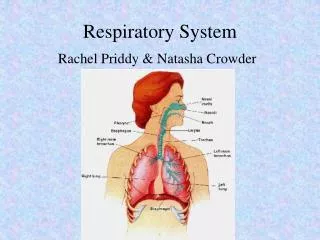
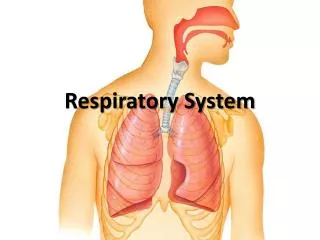
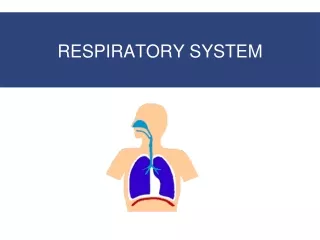
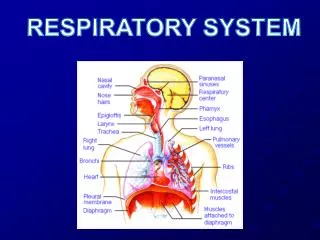
The respiratory system is essential for delivering oxygen (O2) to the body and removing carbon dioxide (CO2). It works in conjunction with the circulatory system and is primarily housed within the thoracic cavity, protected by the rib cage and diaphragm. Key components include the nose, pharynx, larynx, trachea, bronchi, and lungs, culminating in the alveoli where gas exchange occurs. The system features cilia and mucus to trap contaminants, while the pleura membranes help protect the lungs. Understanding these components highlights the respiratory system’s vital role in maintaining overall health.

Overview of the Respiratory System: Structure and Function
E N D
Presentation Transcript
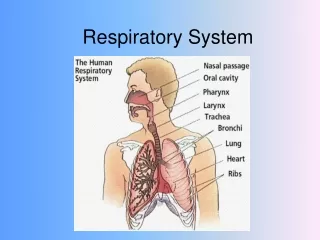
General Info • Delivers O2 to the body; disposes of CO2 • Works with circulatory system • Thoracic cavity: surrounded by ribs and diaphragm
Nose • External nares (nostrils) - Lined with mucus on a superficial network of veins • Nasal cavity: interior of nose • Surrounded by paranasal sinuses: lighten skull, resonance chambers for speech, produce mucus. Infection of the nose can spread to the sinuses = sinusitis (blocked passageways between nasal cavity and sinus = partial vacuum and causes a sinus headache)
Cilia create a gentle current that moves contaminated mucus down the throat where it is swallowed and digested by the stomach • Cold weather slows cilia
Pharynx (throat) • Passageway for food AND air • muscular Pharyngeal tonsils
Auditory tubes drain ear here which is why an ear infection sometimes follows a sore throat. • Pharyngeal tonsils get swollen and block nasopharynx and person breathes through mouth mouth breathing is not properly moistened, warmed or filtered
Larynx (voicebox) • cartilage • Contains vocal cords – vibrate when air passes over • Epiglottis -tilts when swallowing, blocking the opening of the larynx
Trachea • Lined with ciliated mucosa – cilia moves foreign material AWAY from the lungs. • Smoking destroys cilia
Primary bronchi • Division of trachea
Lungs • Left = 2 lobes; right = 3lobes • Bronchi subdivide into secondary, tertiary bronchi • Ends with bronchioles • Lead into alveoli (air sacs) place of gas exchange
SUMMARY • Thoracic cavity surrounded by rib cage and diaphragm • Pulmonary arteries (2) go to the lungs to unload CO2 • Pulmonary veins (4) bring oxygenated blood back to heart • Ciliated cells line respiratory track. WHY? • Mucus lines respiratory track. WHY? • Most organs of respiratory track are passageways for air. WHAT’S THE EXCEPTION?
Pleura • Pulmonary (or visceral) pleura: surrounds each lung. • Parietal pleura line the thoracic cavity • These membranes produce pleural fluid