Download
1 / 7
70 likes | 233 Vues
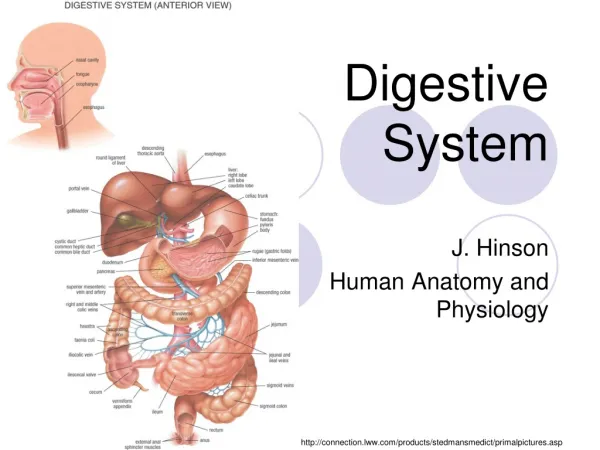
The digestive system breaks down food into usable nutrients through physical and chemical changes. Physical changes alter a substance's physical properties like shape and size, while chemical changes result in new substances. Nutrients include proteins, carbohydrates, fats, vitamins, and minerals. Some, like vitamins, are absorbed without change, while others must be broken down into smaller forms. Mechanical digestion involves physically breaking food into smaller pieces, while chemical digestion transforms large molecules into simpler sugars, like when starch from a cracker converts to glucose.

E N D
The Digestive Process • During digestion, food is broken down into forms that the body can use. • This breaking down process involves both physical and chemical changes in the food.
What is physical change? • It is a change in the physical properties of a substance. • Ex: shape, size color, and odor.
What is chemical change? • It is a change in the chemical properties of a substance, which results in a new substance. • Ex: burning of wood, rusting of a nail
The Digestive Process • All of your food is made up of 1 or more nutrients. • Ex: proteins, carbohydrates, fats, vitamins, and minerals • Vitamins and minerals can directly pass from the digestive system into the body without undergoing a chemical change • Carbohydrates, proteins, and fats must be broken down into smaller, usable forms.
Mechanical digestion • Is physical break down of food into small pieces. • Mechanical digestion breaks large pieces of food into smaller ones • Ex: What would happen if you tried to swallow a whole cracker?
Chemical Digestion • Is where large food molecules are broken down into smaller molecules. • Ex: a cracker is made mostly of starch, which is a carbohydrate and must be broken down into more simpler sugars called glucose