SlideServe
Menu
Préférences
© SlideServe · v2026

Function of the skeletal system

thora avatar
8 diapositives · 351 Views · Jul 25, 2014

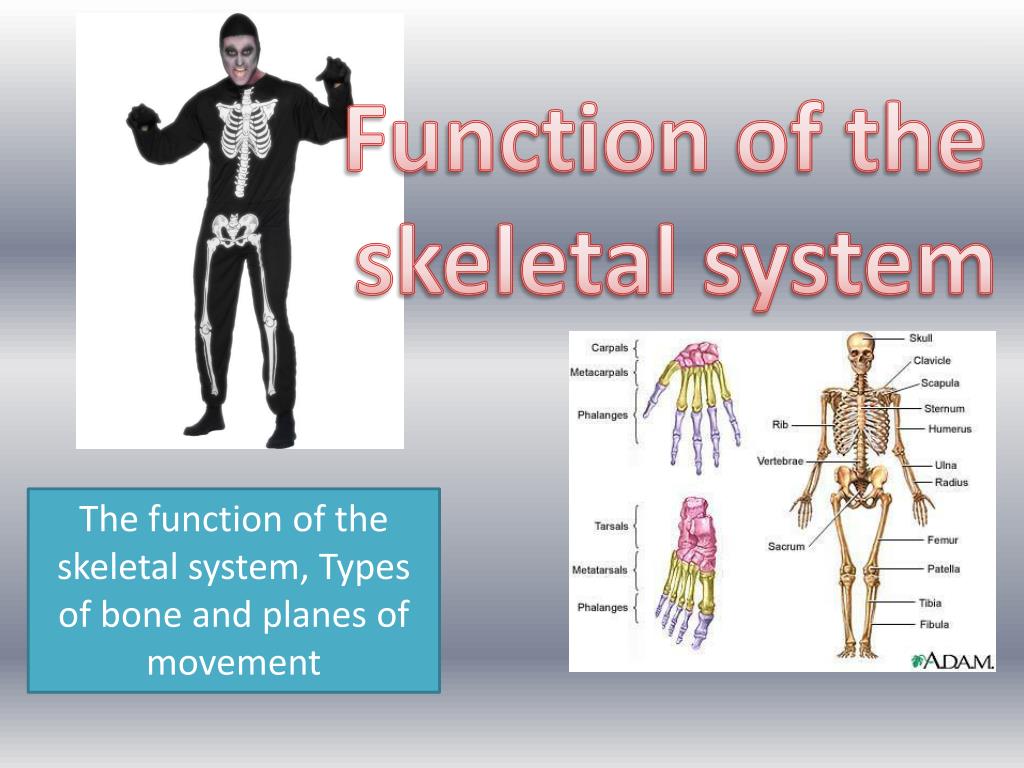
Function of the skeletal system. The function of the skeletal system, Types of bone and planes of movement. Functions:. Provides a framework for the body.
Function of the skeletal system - slide 1
01 / 8Function of the skeletal system
1 / 17

Télécharger la présentation

Function of the skeletal system
Une image / un lien ci-dessous est fourni (tel quel) pour télécharger la présentation

Politique de téléchargement : le contenu du site vous est fourni TEL QUEL pour votre information et votre usage personnel ; il ne peut être vendu, concédé sous licence ni partagé sur d’autres sites sans l’accord de son auteur.Le contenu vous est fourni TEL QUEL, pour votre information et votre usage personnel uniquement. Téléchargez la présentation en cliquant sur ce lien. Lors du téléchargement, si vous ne parvenez pas à télécharger une présentation, l’éditeur a peut-être supprimé le fichier de son serveur.Pendant le téléchargement, si vous ne parvenez pas à obtenir une présentation, le fichier a peut-être été supprimé par l’éditeur.

F I N

Plus de contenu associé

Transcription de la présentation
  1. Function of the skeletal system The function of the skeletal system, Types of bone and planes of movement

  2. Functions: Provides a framework for the body Bones act as levers and by forming joints allows muscles to pull on them and create joint movements… so we can move in all directions and perform the functions we need on a daily basis. The skeleton gives the body its distinctive shape and is the framework that which to attach muscles and other soft tissue. Allows movement of the body as a whole and its individual parts Without a skeleton we would be a big bag of…. FLUID!!

  3. Certain bones contain RED bone marrow, the bone marrow produces RED blood cells, WHITE blood cells and PLATELETS Protection Bones will support and protect the vital organs they contain. What 4 examples can you think of??? Production of blood cells The ‘certain’ bones are: Pelvis, Sternum, Vertebrae, Costals, Cranial bonesand Clavicle.

  4. Fats (triglycerides) are also stored within the YELLOW bone marrow. Storage of minerals and fats Bones themselves are minerals stored within cartilage… acting as a mineral store for Calcium, Magnesium and Phosphorous. Attachment of soft tissue Bones provide the surface for attachment of soft tissues, such as Muscles, Ligaments and Tendons.

  5. Types of Bone Long Bone Flat Bones Femur Humerus Tibia Metacarpals Phalanges Flat bones are strong, flat plates of bone with the main function of providing protection to the bodies vital organs and being a base for muscular attachment. Function of Protection and Stability, with little movement Short Bone Having a body longer than it is wide and having growth plates at either end (epiphysis) They are approximately wide as they are long Scapula (shoulder blade). The Sternum (breast bone), Cranium (skull), Pelvis and Ribs are also classified as flat bones

  6. Irregular Bones These are bones that do not fit into any other category due to their unusual shape. The most obvious example: The Patella (knee cap) which sits within the Patella or Quadriceps tendon. Good examples being the Vertebrae, Sacrum and Mandible (lower jaw). Sesamoid Bones Sesamoid bones are usually short or irregular bones, imbedded in a tendon. Sesamoidbones are usually present in a tendon where it passes over a joint, acting as protection to the tendon.

  7. Planes of Movement • Anterior – To the front • Posterior – To the rear • Medial – Towards the midline • Lateral – Away from the midline • Proximal – Near to the root • Distal – away from the root • Superior – Above • Inferior – Below Visual view of the anatomical structure

  8. Task… Continue with the P1 assessment from yesterday, using the same word document! You should also finish off the work that you started in yesterdays lesson… making sure that you look at the rest of the assessment below. • The different types of bone (i.e. long, short, flat, irregular, sesamoid) and identify the major bones within the body. • The function of the skeletal system (i.e. support; protection; attachment for skeletal muscle; source of blood cell production; store of minerals) …If finished all of the above assessment, start to look at the different types of joints within the body (Elbow=Hinge Joint)