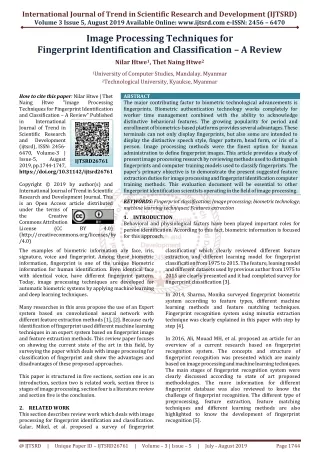
Understanding Battery Identification and Classification: Key Standards and Hazards
This presentation by James Neely at the NAHMMA Northwest Regional Conference explores battery identification and classification, emphasizing standardized marking and hazardous waste classification. It discusses the age and mercury content of batteries, differentiating between lithium coin and alkaline button cells. Key standards from the International Electrotechnical Commission (IEC) are outlined, including their marking requirements. The presentation also addresses the risks associated with counterfeit batteries and mixed battery types, emphasizing safe sorting practices to manage batteries effectively.

Understanding Battery Identification and Classification: Key Standards and Hazards
E N D
Presentation Transcript
Battery Identification and Classification James Neely 2013 NAHMMA Northwest Regional Conference
Topics • Standardized marking • Which batteries classify as hazardous/dangerous waste • Age of batteries • Mercury content from old/counterfeit batteries • Lithium coin vs alkaline button cells
Standards • The International Electrotechnical Commission (IEC) develops standards that contain standard marking requirements for batteries • From IEC 60086-1:
Standard Nomenclature Most battery types will start with a two-letter code as developed by the IEC Primary Batteries Rechargeable Batteries *The R is common in all types and means cylindrical. The Carbon Zinc types contain only the R as they are referred to as the no-letter-system batteries.
Classification *May contain added mercury at low levels
Mercury Content / Battery Age • Reputable batteries made after 1992/1993 are mercury free • How to tell? • Batteries with metal labels (except 9V) will be pre-1990 • Batteries with green trees or other environmental marking will be mercury free • More than 99% of batteries in the waste stream today are mercury free • Best if used-by dates • Typically 5-7 years Best if Used By Date Metal Label Plastic Label
Mercury Reduction • The graph below represents the mercury contentof batteries in parts per million in the waste stream as sampled at four US locations. • The weighted average for 2011 is 27.3 ppm.
Counterfeits • Counterfeits and Knockoffs are a concern but less so in North America • They can contain mercury or be mislabeled (carbon zinc batteries posing as alkaline)
Lithium Coin vs. Button Cells • 90% or more of lithium coin cells will be 20 mm or greater in diameter, while other chemistries tend to be smaller • The best bet is the refer the CR/BR marking (lithium) vs the LR, PR or SR marking for the button types • Nearly all button types will be 11.6 mm in diameter or less Button Lithium Coin
Hazards of Sorted Batteries • Alkaline types (including button cells) can get hot when sorted but do not pose a fire hazard • Lithium batteries, due to risk of short circuit, can get hot and pose a risk of fire, especially coin cells • Mixed cells (alkaline and lithium) can pose a fire hazard due to short circuit of the lithium types but the risk is substantially less than with exclusively lithium types