Understanding Present Perfect Tense: Usage of Ever & Never
The Present Perfect tense is essential for expressing actions that occurred at unspecified times before now. It allows us to convey experiences and completed actions without focusing on exact timing, often using words like "ever" and "never." For example, we ask, "Have you ever been to Spain?" This differs from Simple Past, which requires specific details about timing, such as "I went last year." Mastering these distinctions is crucial for effective communication in English.


Understanding Present Perfect Tense: Usage of Ever & Never
E N D
Presentation Transcript
Present Perfect Ever/Never
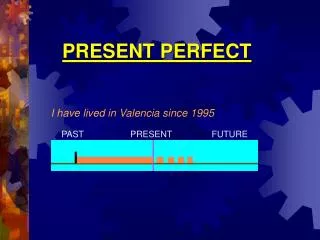
Present Perfect has/have + past participle We use the Present Perfect to say an action happened at an unspecified time before now. The exact time is not important
You CAN use the Present Perfect with unspecific expressions such as: ever, never, once, many times, several times, before, … You USUALLY DON’T use the Present Perfect with specific time expressions such as: yesterday, last week, one month ago, …
Affirmative/Negative I/You/We/They have been to Europe. He/She has been to Europe. I/You/We/They haven’t been to Europe. He/She hasn’t been to Europe.
Present Perfect/Simple Past • Use the Present Perfect to begin a general question. • Use the Simple Past to give specific details: when, where, who, etc…
We often use ever in questions(Have you ever …?) • Have you ever been to Spain. Yes, I have. • When did you go there? I went last year.