Effective Project Scoping: Insights from the QUEST Honors Program
This presentation discusses best practices for creating a strong project scope, drawing lessons from the QUEST Honors Program. Key topics include understanding client needs, crafting a solid Statement of Work (SOW), managing scope creep, and building a strong team. Participants will explore methodologies such as Myers-Briggs Type Indicator and StrengthsQuest to enhance team dynamics. Essential elements for successful initial meetings, visioning exercises, and prioritization of tasks are also covered. This session aims to equip teams with tools for effective communication and conflict management to achieve project goals.

Effective Project Scoping: Insights from the QUEST Honors Program
E N D
Presentation Transcript
Creating Your Project Scope Lessons from the QUEST Honors Program Nicole M. Coomber September 13, 2011
Creating a Strong Team • Understanding your Client • Statement of Work • Dealing with Scope Creep Goals for Today & Next Week
Purpose • Team • Myers-Briggs Type Indicator • Strong Interest Inventory • StrengthsQuest • Team Charter • Statement of Work First Steps
Commitments & responsibilities • Conflict management • Demonstrating respect • Maintaining a positive attitude • Communication plan • Desired learning Team Charter Elements
Initial meeting of 1-2 hours • “Data Dump” • Understanding your client • Communicating team skills & assets • Facilitative listening Visioning
Organizational history • Background, purpose, philosophy • Organizational culture • Leadership structure • Stakeholders (internal/external) • Example: Creating an oral history for an academic organization Topics for Initial Meeting
What is your vision for the oral history to be presented at the 20th anniversary celebration of your organization? Visioning Exercise
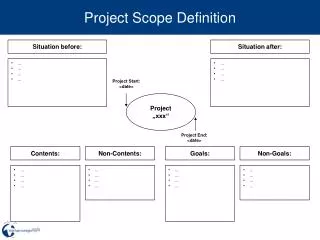
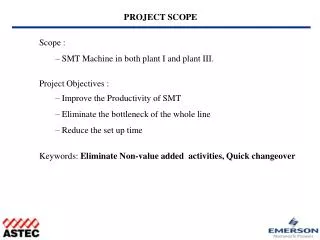
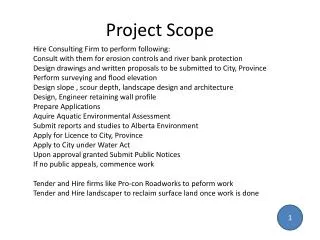
Key questions • Primary tasks (Rec: 3-5) • Final deliverable • Dates • Anticipated person hours (internal/external) Statement of Work
Initial conversation key • Task prioritization • Create a strong SOW • Refer to SOW • Understanding of “known” important tasks • Replace tasks or extend contract with client Scope Creep
Nicole M. Coomber 3337 Van Munching Hall ncottre@umd.edu 301-405-8732 Office Hours: Mon, 3-5pm Questions?