
SlideServe
Menu
Préférences
© SlideServe · v2026

Kingdom Animalia

ulema avatar
20 diapositives · 1.7K Views · Aug 06, 2014

Kingdom Animalia. Basic Characteristics. Multicellular Eukaryotic Heterotrophic Mostly motile (few exceptions) Primarily sexual reproduction but some asexual. Nutrition. Organisms in the kingdom Animalia are heterotrophs. Some organisms are herbivores, carnivores and omnivores.
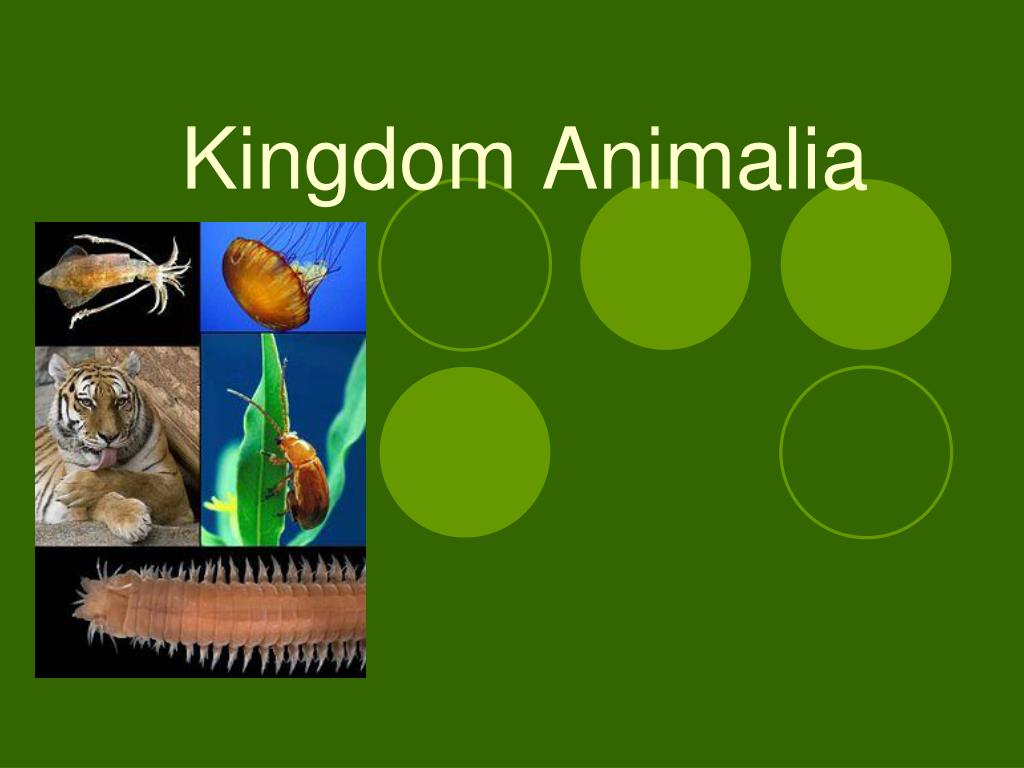
Kingdom Animalia - slide 1
01 / 20Kingdom Animalia
1 / 17

Télécharger la présentation

Kingdom Animalia
Une image / un lien ci-dessous est fourni (tel quel) pour télécharger la présentation

Politique de téléchargement : le contenu du site vous est fourni TEL QUEL pour votre information et votre usage personnel ; il ne peut être vendu, concédé sous licence ni partagé sur d’autres sites sans l’accord de son auteur.Le contenu vous est fourni TEL QUEL, pour votre information et votre usage personnel uniquement. Téléchargez la présentation en cliquant sur ce lien. Lors du téléchargement, si vous ne parvenez pas à télécharger une présentation, l’éditeur a peut-être supprimé le fichier de son serveur.Pendant le téléchargement, si vous ne parvenez pas à obtenir une présentation, le fichier a peut-être été supprimé par l’éditeur.

F I N

Plus de contenu associé

Transcription de la présentation
  1. Kingdom Animalia

  2. Basic Characteristics • Multicellular • Eukaryotic • Heterotrophic • Mostly motile (few exceptions) • Primarily sexual reproduction but some asexual.

  3. Nutrition • Organisms in the kingdom Animalia are heterotrophs. • Some organisms are herbivores, carnivores and omnivores.

  4. Budding – a new organism in formed from a bud of the parent For example, hydra: Regeneration – a new organism develops from fragments of parent For example, planaria Asexual Reproduction in Animals

  5. Sexual Reproduction in Animals • Involves the production of a sperm (spermazoa) and an egg (ova) [haploid sex cells] which will fuse during fertilization to create offspring.

  6. Aquatic Animals External fertilization where sperm and egg fuse outside the body Sharks are an exception Terrestrial Animals Internal fertilization where the sperm and egg fuse inside the body Development of offspring can be internal or external Fertilization

  7. Characteristics used to Classify Animals into Phyla • Multicellular • Heterotrophic • Ingest food • Central digestion cavity • Sexual reproduction • Germ layers • Type of digestive tract • Body symmetry • Coelum

  8. 1.Phylum Porifera The 9 Phyla of Kingdom Animalia 2. Phylum Cnidaria 3. Phylum Platyhelminthes 4. Phylum Nematoda pinworm

  9. The 9 Phyla of Kingdom Animalia 5. Phylum Annelida 6. Phylum Mollusca 7. Phylum Echinodermata 8. Phylum Arthropoda

  10. The 9 Phyla of Kingdom Animalia 9. Phylum Chordata

  11. Habitat = terrestrial, aquatic, air Symmetry = bilateral Body cavity = coelmate Reproduction = sexual Motile Organization = body systems Digestion = extracellular Fertilization = internal Phylum Arthropoda

  12. Phylum Arthropoda

  13. Arthropoda = success and diversity • Exoskeleton = protection • Body Segments • Nervous System = larger brains • Nutrition process = can obtain food in many ways

  14. Insects: and their highly adaptive traits • Many feeding methods • Small = hiding, small spaces • Movement = quickly (3 pairs of legs) • Mimicry (hide from predators) • Hierarchical social system (roles) • Life cycle reduces competition for food and living space

  15. Insects: and their highly adaptive traits

  16. Subphylum Urochordata - The Tunicates : squat, thick-walled, protective tunic, live on ocean floor Subphylum Cephalochordata - Lancelets: small, knife-like, live buried in sediment near coast Phylum Chordata Invertebrates

  17. Phylum Chordata All chordates have at some stage in their life cycle: • A dorsal nerve chord • A notochord (rod of cartilage) running length of body • Gill slits in pharynx or throat

  18. Vertebrate Chordates • Class Chondrichthyes Cartilaginous fish like sharks and rays 2. Class Osteichthyes Bony fish like salmon, trout and tuna 3. Class Amphibia Breathers in water and air like frogs

  19. Vertebrate Chordates 4. Class Reptilia (creepers) Most live in dry, hot areas – like snakes 5. Class Aves Have feathers and hollow bones – birds 6. Class Mammalia Have hair, and mammary glands - mammals