The Legacy of Mary Shelley: Revolutionizing Feminism and Gothic Literature
Mary Wollstonecraft Shelley, born in 1797, emerged from revolutionaries, envisioning a world where women break free from men's dependency and challenge societal norms. As the author of "Frankenstein," she intertwines horror and philosophical inquiry, exploring themes like knowledge's dangerous nature, societal injustices, and the quest for companionship. Shelley's life, filled with personal loss and literary triumphs, mirrors the deep emotional currents in her work. Her legacy endures, influencing discussions on feminism, ethics, and the complexities of human creation.


The Legacy of Mary Shelley: Revolutionizing Feminism and Gothic Literature
E N D
Presentation Transcript
Frankenstein By Mary Wollstonecraft Shelley
Mom and Dad = Rebels MARY WOLLSTONECRAFT EARLY FEMINIST • Concerned with women’s dependency on men, inferior educations, inability to work, unable to speak minds WILLIAM GODWIN PHILOSOPHICAL ANARCHIST • Government = Corrupting force • Perpetuates ignorance • Government powerless when confronted by educated masses
Her Life 1797 Born in London - Mother died ten days later Father had great expectations for Mary - exciting but sorrowful Ran away with Percy Shelley at age of 16 - Moved to Switzerland 1816- Shelley’s wife drowns herself; Shelley marries Mary; Frankenstein Pregnant 7 times, only one child survives; Depression 1822-Shelley is drowned in a boating accident Worked in Paris as a journalist; Surrounded by literary figures Invalid at age 48; 1851-Died of brain tumor
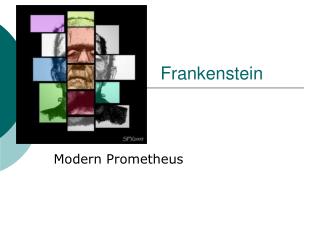
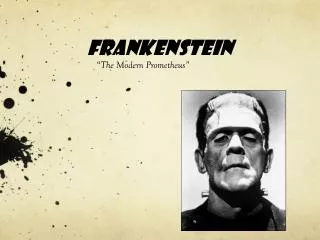
Frankenstein The Modern Prometheus
Literary Devices to Create Horror and Suspense VERISIMILITUDE • Latin = “life’s appearance” • Use real places and real things • Leave out scientific details FRAMED NARRATIVE • Story within a story • Creation • Frankenstein • Walton • Sister
Themes Ignorance is bliss/ Dangerous Knowledge Monstrous side of Man/Injustice towards Outsiders Loneliness/ Need for Companionship Scientific & Medical Ethics Nature vs. Nurture Feminism/Marriage/Gender Sublime Nature-Influence of Nature on Man
Universal Thematic Topics Passion versus Reason Confinement versus Liberation Social and Physical Marginalization Identity Creation and Relationship to Society
GenresRomanticism and Gothicism Late 18th, early 19th centuries Emphasis on individual, subjective, irrational, imaginative Appreciation of nature Preoccupation with the hero Importance of self-reflection Macabre, mysterious, fantastic, or violent incidents Atmosphere of irrational violence or decay Settings-castles, monasteries, trapdoors, dungeons Medieval themes