Understanding the Elastic Clause, Executive Branch, and Electoral College in U.S. Government
This overview explores key elements of the U.S. government, including the Elastic Clause, which grants Congress the authority to enact laws beyond those explicitly stated in the Constitution when deemed necessary. It also examines the structure of the Executive Branch, highlighting the roles of the President, Vice President, and Cabinet members, along with the function of Independent Agencies. Finally, the description touches on the Electoral College system, detailing how electors are allocated to states and the requirement for a candidate to secure 270 votes to win an election.

Understanding the Elastic Clause, Executive Branch, and Electoral College in U.S. Government
E N D
Presentation Transcript
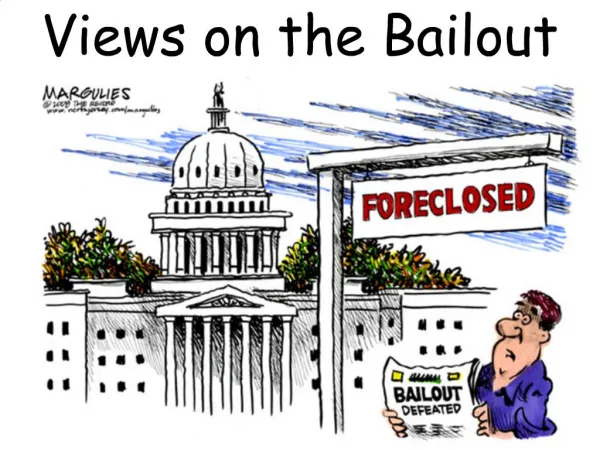
1. Views on the Bailout
6. Elastic Clause This gives Congress the ability to exercise power or create laws not specifically mentioned in the Constitution.
This can only be used when Congress feels that it is “necessary or proper”
8. Executive Branch
President: Leader of the country and Commander in Chief of the military.
Vice President: President of the Senate and becomes President if the President is unable to serve.
Cabinet: contains the Vice President and the heads of 15 federal agencies
Independent Agencies: Help execute policy or provide special services.
9. Electoral College
Number of electors in each state = # of representatives in the house + 2
Candidate wins election by receiving the majority of Electors votes (270)
12. Treason
Bribery
High crimes
Misdemeanors