Enhancing Disaster Response: Perth-Andover's EMO Experience and Key Communication Strategies
This overview highlights the four key phases of disaster management experienced by Perth-Andover's Emergency Measures Organization (EMO): event preplanning, the actual event, recovery, and lessons learned. Through comprehensive committee training, community involvement, and effective communication strategies with partner agencies, public media, and volunteers, the EMO addressed significant challenges during flooding events from 1976 to 2012. The emphasis on clear dialogue, ongoing improvements, and updates to the EMO plan illustrates the importance of community resilience, collaboration, and emotional support throughout the recovery process.

Enhancing Disaster Response: Perth-Andover's EMO Experience and Key Communication Strategies
E N D
Presentation Transcript
Perth-Andover EMO Experience 4 Key Phases • Event Preplanning • Committee Members Training, Tabletops, etc. • Actual Event/Disaster • Internal, External, use of Media, etc. • Recovery • Physical and Emotional • Lessons learned and EMO plan updating • Ongoing improvement
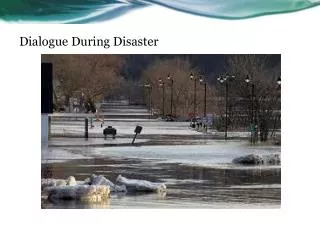
EMO in our Community Flooding • 1976 78.20 m • 1987 79.30m • 1993 78.70m • 2012 80.52m • + 3 Voluntary Evacuations • Forest Fire
Organizations • 14 Fire Departments • RCMP • Hospital • DNR • DOT • Manor • Council • Media • Administration • Red Cross • Cooks • Ambulance • Municipal Staff • Brunway • Commercial Vehicle Unit • Samaritan’s Purse • EMO • Environment • Public Health • Service Clubs • Victims Committee • 100’s of Volunteers
Cost to Community • Loss of Businesses and Jobs • Property Owners loss of Equity • Property Damage Losses • Loss of Tax Base • Loss of Utility Revenue – Light, Water, and Sewer • People have moved out of community • Stress & Health Related Issues
IMPORTANCE OF COMMUNICATION A) INTERNAL B) PARTNER AGENCIES C) PUBLIC D) MEDIA E) FINAL EVENT REVIEW AND EMO PLAN UPDATING
Dialogue During Disaster INTERNAL • EMO Committee – Must be clear & open discussion, pause for regular updates. • Importance of Documentation • Methods of Communication – phone, cell phones, radio, emails
Dialogue During Disaster PARTNER AGENCIES • Not just relying on our EMO plan but also various Government Agencies • Hospital, Schools, Manor, Ambulance, etc. • Events are opportunities to improve plans
Dialogue During Disaster PUBLIC Various methods – News Media, door to door visits, siren, emails, Social Media Must be flexible – Time of Day, Importance of Notice, Staff/Volunteer levels, online ability
Dialogue During Disaster MEDIA Great for Getting Message Out Restrictions with existing media cycles, availability during evenings and weekends, etc.. Important Relationship – Messaging & Support
Dialogue During Disaster FINAL EVENT REVIEW AND EMO PLAN UPDATING What we did great in 2012 • Security of Evacuated area • Property Visits During Events • Media • Coordinating Volunteers – Samaritan's Purse Areas to improve • Timeline for Voluntary and Mandatory Evacuations • Pre Event Communication • Difficulty addressing Emotional Issues • Security During Evacuation – too many Tourist!