Download
1 / 8
80 likes | 219 Vues
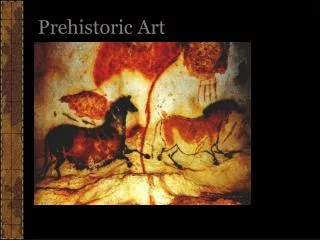
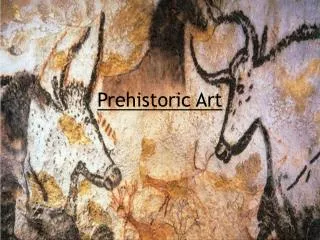
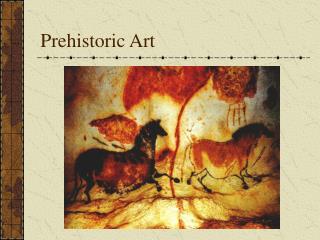
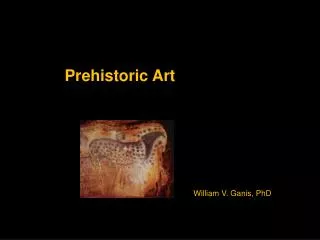
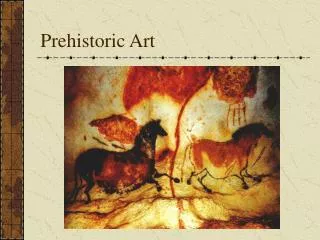
Explore the captivating world of prehistoric art as revealed in the Caves of Lascaux, France, discovered in 1940. Filled with nearly 600 animal pictographs and petroglyphs, primarily of horses, stags, bulls, bison, and ibex, this ancient art provides insight into the lives and beliefs of our ancestors. The cave's artwork, possibly serving as ceremonial or instructional in nature, illustrates the interplay between humans and their environment, shedding light on hunting practices and ritual significance. Join us in unraveling the mysteries behind these ancient masterpieces.

E N D
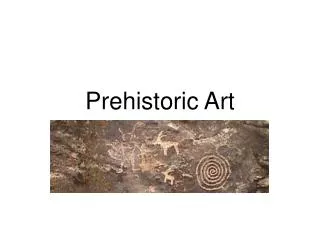
Pictograph: Painting on a surface like a cave wall. Petroglyph: Design carved into rock or other surface.
Kentucky Rock Art
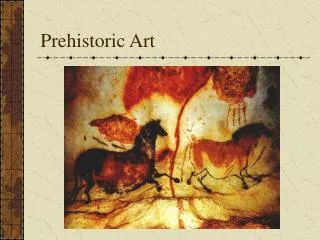
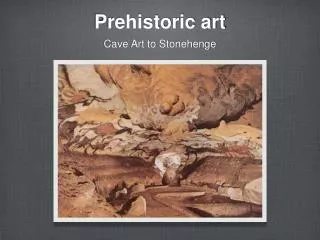
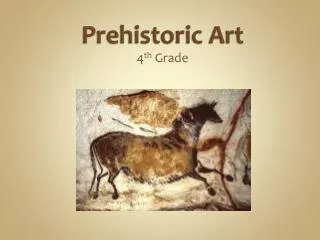
Cave of Lascaux, France Discovered by four boys in 1940. Caves are filled with pictographs and petroglyphs of hundreds of animals.
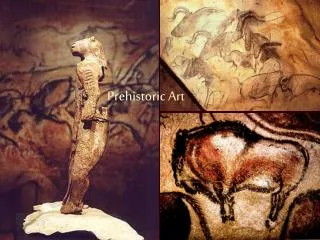
There are almost 600 pictures of animals, mostly horses. Other animals painted are stags, bulls, bison, and ibex. Only one man is painted.
Why did they paint the cave? What do the paintings mean? Just the animals that were around at that time. Instructions on how to hunt or not to hunt. The cave was used for religious ceremonies. Painting were for good luck in hunting. PowerPoint created by Amy J McCray, WKU Anthropology Undergrad. 2005.
References • Coy, Fred, Thomas C. Fuller, Larry G. Meadows, and James L. Swauger. Rock Art of Kentucky. University Press of Kentucky, Lexington, KY, 2003. • Google Images. 1 December 2005. <http://www.google.com/imghp?hl=en&tab=wi&q=> • The Caves of Lascaux. 1 May 2005. <http://www.culture.gouv.fr/culture/arcnat/lascaux/en/>