Exploring the Power of Maps and Webs for Idea Expression
This engaging resource examines the importance of maps and webs in understanding and organizing thoughts. By exploring the ways these tools help individuals convey ideas, it highlights their similarities. Participants are encouraged to share their perspectives and brainstorm other inventive methods to express ideas visually without words. This interactive activity aims to enhance creative thinking and collaborative learning, making it ideal for classrooms or group settings.
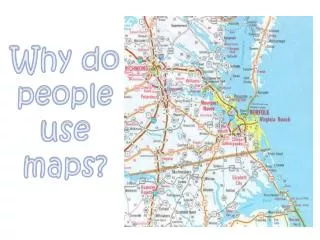

Exploring the Power of Maps and Webs for Idea Expression
E N D
Presentation Transcript
How are maps and webs similar? Turn to your neighbor and share ideas for one minute.
What are some other inventive ways to express ideas on paper without using words?
Credits: http://blog.iqmatrix.com/how-to-twitter http://buzan.com.au/images/ExercisesforDestressing_big.jpg http://buzan.com.au/images/EnergyMindMap_big.jpg http://www.tumblr.com/tagged/mind-mapping http://www.schickcom.com/roadmap.shtml http://www.pics4learning.com/details.php?img=web.png http://www.innovationmanagement.se/2013/04/25/share-your-views-on-creating-a-vision-of-ideal-conditions-for-european-smes-to-innovate/ http://www.folletsbb.com/
Credits: Created by Tina Cannon, AART For use with introduction to mind mapping lesson