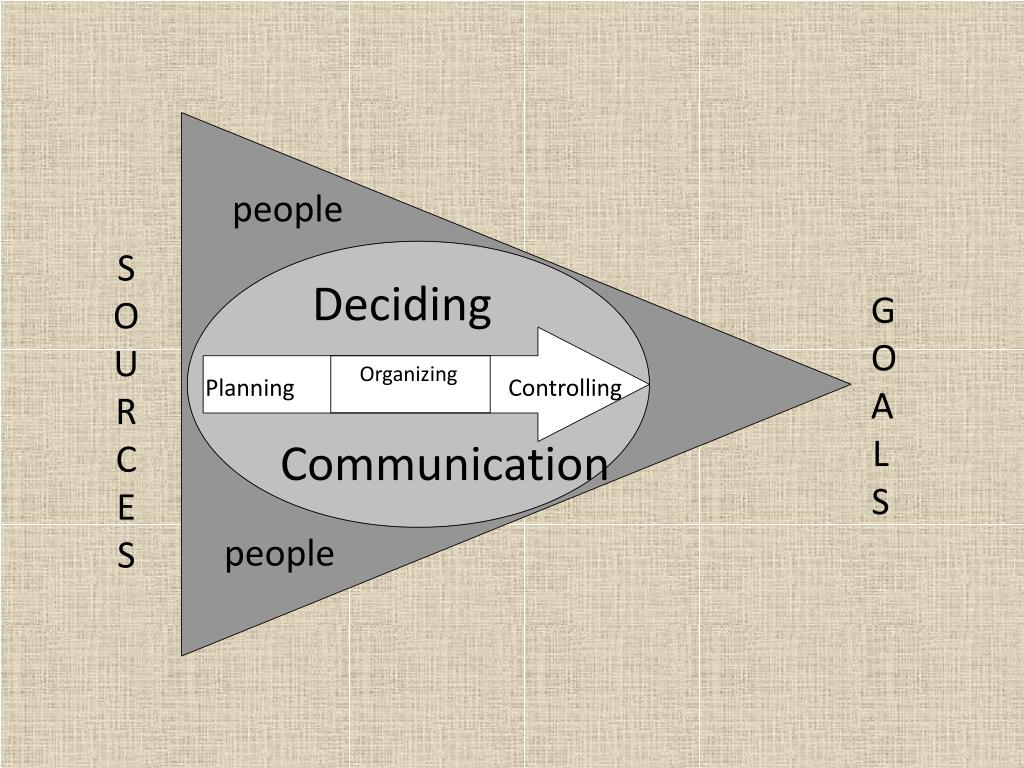
people SOURCES Deciding GOALS Organizing Planning Controlling Communication people
COMMUNICATION Content formal vs. informal verbal and nonverbal oral, written negotiation, critique,…
JoHari window Hidden area
Social perception • sentient person • experiences, actualsituation,… • perceived person • visualaspect, status, communicationknowledge • situationcontext
SENDER ANNOUNCEMENT RECIPIENT NOISE FEEDBACK ProcessofCommunication
Types of business communication • downwardcommunication • ascensionalcommunication • horizontalcommunication • diagonalcommunication
communicational channels • formal, • official, • informal, • content and structure of announcement, • other characteristics.
factors for formal communication • age (difference betwen partners´ ages), • status, • situation, • mutual acquaintance.
Ordinary communication forms • verbal communication, • words, • nonverbal communication.
Nonverbal communication • proxemics - distances, • haptic - touches, • paralinguistic – ehm, diction, speech. • mimics - facialexpression, • posture – humanposition
Proxemics (15-75 cm) (75-120 cm) (120 - 210 cm) (> 2 m)
announcement 7% WORDS 55% BODY LANGUAGE 38% INTONATION, LANGUAGE CADENCE, ETC.
ASSERTIVENESS • passive hearing, • submissive extortion, • aggressive extortion, • assertiveness.
Ten Assertive Rights • I have the right to judge my own behavior, thoughts and emotions and to take the responsibility for their initiation and consequence. • I have the right to offer neither reason nor excuse to justify my behavior. • I have the right to judge whether I am responsible for finding solutions to others' problems. • I have the right to change my mind. • I have the right to make mistakes and be responsible for them. • I have the right to say "I don't know.” • I have the right to be independent of the good will of others before coping with them. • I have the right to be illogical in making decisions. • I have the right to say "I don't understand.“ • I have the right to say "I don't care“.
techniques of assertiveness • „ Broken Record“, • „selective ignoring“, • „open door“,
Communication in organization • notice boards, • internal discs, • intranet, • email, • oral communication.
Negotiation • necessary activity, • managers have to negotiate, • depends on personality, • dimension dominant vs. submissive, • dimension agressive vs. sociable.
Process of Negotiation • preparing • negotiation • evaluation
preparing • information obtaining, • goals, limits, • analysis, • choice of strategy.
negotiation • separate people and problems, • focus on interests, • creation mutually useful offers.
evaluation • Was the strategy successful?
Kinds of negotiation • competitivenegotiation, • win - loss, • cooperatenegotiation, • win – winorcompromises, • fundamentalnegotiation, • orientedonly to groundofproblem
swapping • explanation, • presentation of competitors opinions, • argumentation against the presentation • main points record.
Conflicts and their solution • intrapersonal • interpersonal
Intrapersonal conflicts • two positive powers (Buridan´s donkey) • two negative powers • positive and negative powers in one activity
Evolution of conflict • homeostasis, • warning signals, • increasing of differencies, • Escalation, polarity, • separation, • destruction, • exhaustion, • latency.
analysis of conflict reasons, groud
Conflict solution on yourself to relationship
escape style (turtle), • confrontational style (shark), • compromise style (fox), • adaptive style (bear), • cooperative style (owl).
Critique • unjustified, • justified.