
Analyzing the Pluralist Models of Democracy: The Influence of Corporations and Media

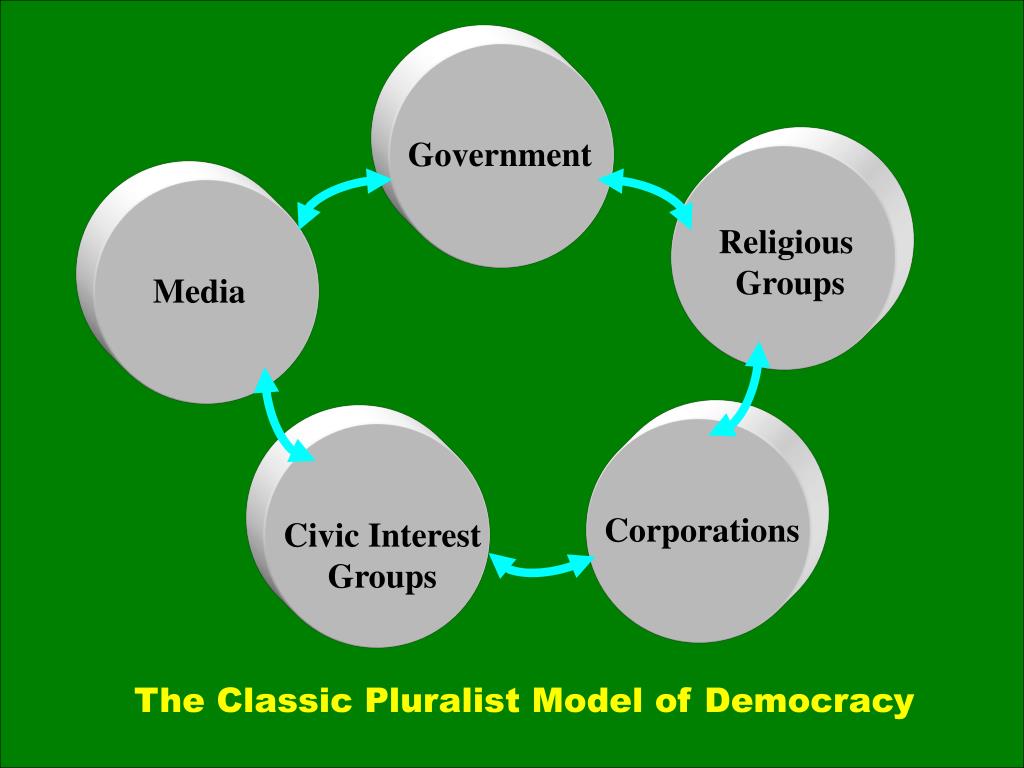
This article explores the Classic and Neo-Pluralist Models of Democracy, focusing on the roles played by government, religious groups, media, civic interest groups, and corporations. It highlights how Fortune 500 companies like General Electric, Microsoft, and Google affect public policy and democracy through campaign contributions, particularly in pivotal elections such as the 2008 Presidential Election. The influence of media giants like NBC and Time Warner is also examined to understand their impact in shaping public discourse and opinion.
Télécharger la présentation 
Politique de téléchargement : le contenu du site vous est fourni TEL QUEL pour votre information et votre usage personnel ; il ne peut être vendu, concédé sous licence ni partagé sur d’autres sites sans l’accord de son auteur.Le contenu vous est fourni TEL QUEL, pour votre information et votre usage personnel uniquement. Téléchargez la présentation en cliquant sur ce lien. Lors du téléchargement, si vous ne parvenez pas à télécharger une présentation, l’éditeur a peut-être supprimé le fichier de son serveur.Pendant le téléchargement, si vous ne parvenez pas à obtenir une présentation, le fichier a peut-être été supprimé par l’éditeur.
F I N