Zinc: Essential Trace Element with Diverse Applications and Properties
110 likes | 259 Vues
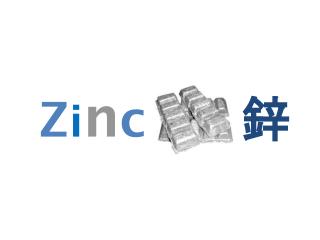
Zinc (Zn), atomic number 30, is the 24th most abundant element in Earth's crust, primarily found in large deposits across Australia, Canada, and the US, with the largest reserves in Iran. Discovered in 1764 by German chemist Andreas Marggraf, zinc is a lustrous solid at room temperature, malleable from 100-150°C, and has a hexagonal crystal structure. Approximately 70% of zinc is sourced from mining, while 30% comes from recycling. Essential for human health, zinc plays a crucial role in biological functions, but deficiency can lead to serious health issues.


Zinc: Essential Trace Element with Diverse Applications and Properties
E N D
Presentation Transcript
Basic info. ◆Symbol: Zn ◇Atomic no.: 30 ◆Has 5 stable isotopes(64, 66, 67, 68, 70 Zn) ◇24th most abundant element in Earth’s crust ◆Large deposits in Australia, Canada, the US(with largest reserve in Iran) ◇The Earth has been estimated to have 46 years supply of Zn
Discovery ◆Who: Andreas Marggraf ◇Nationality: German ◆When to discover: 1764 ◇How: heat a mixture of calamine and carbon in a closed vessel isolate zinc
Physical property ◆Lustrous solid at room temp. ◇Hard/Brittle at most temp. ◆Malleable between 100-150oC ◇Density: 7.14g/cm3 ◆Boiling point: 907oC ◇Melting point: 419.53oC ◆Crystal structure: hexagonal ◇Fair conductor of electricity
Production ◆~70% Zn comes from mining(most from sphalerite, ZnS deposits) ◇~30% Zn comes from recycling of secondary Zn ◆Production process: Ore grinding Froth flotation Roasting a) pyrometallurgyb) electrowinning Electrolysis of molten ore
Biological importance ◆Zn: essential trace element for human ◇Red meat : rich in Zn in general ◆Some plants (eg nuts) contain Zn ◇Highest conc. of Zn in body: in part of the eye / prostate
Biological importance ◆Zn: flexible coordinate geometry proteins use Zn to shift conformations perform biological reactions ◇Zn deficiency growth retardation / diarrhea, etc. ◆Zn overdose suppress Cu / Fe absorption ataxia / lethargy The end