Group Lockout Boxes_ Essential Tools for Multi-Worker Safety Procedures
0 likes | 1 Vues
Their true value lies not in compliance checklists but in the lives saved - ensuring every worker goes home safely. In industrial safety, redundancy is non-negotiable. Group lockout boxes deliver exactly that: a simple, proven system that makes collective safety stronger than individual effort.


Group Lockout Boxes_ Essential Tools for Multi-Worker Safety Procedures
E N D
Presentation Transcript
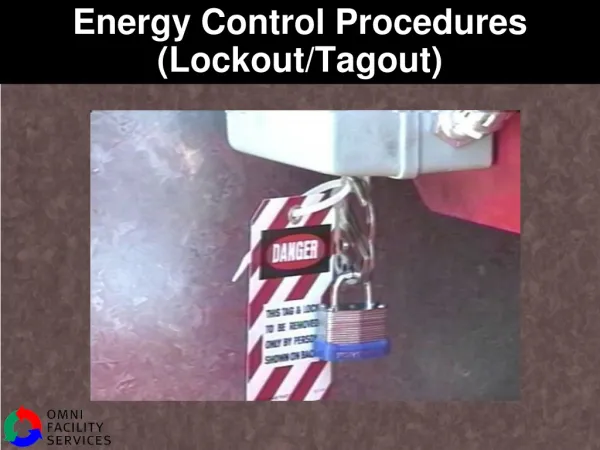
Group Lockout Boxes: Essential Tools for Multi-Worker Safety Procedures When multiple workers must service the same equipment simultaneously, traditional lockout tagout procedures face a critical challenge: how do you ensure no one re-energizes the system until everyone is safe? Group lockout boxes provide a simple yet highly effective solution, transforming complex coordination into a fail-safe process that protects every worker involved. The Multi-Worker LOTO Challenge: Industrial maintenance often requires electricians, mechanics, and technicians working together on the same machine. Each worker needs absolute assurance that hazardous energy remains isolated
throughout the job. A single miscommunication or premature lock removal can endanger the entire team. Globally, regulatory bodies emphasize LOTO compliance because violations remain among the most frequently cited safety issues. In the United States, OSHA estimates proper LOTO prevents 120 fatalities and 50,000 injuries annually. Similar standards exist across the EU and Asia, underscoring the universal importance of group lockout procedures. How Group Lockout Boxes Work? A group lockout box centralizes control of energy isolation. The process is straightforward: 1.Isolation - An authorized employee locks out all energy sources. 2.Key Storage - Keys to isolation devices are placed inside the lockout box. 3.Worker Locks - Each worker applies their personal lock to the box. 4.Collective Release - Equipment cannot be re-energized until every lock is removed and all workers are clear. This creates an unbreakable safety chain - no single person can compromise group protection, even accidentally.
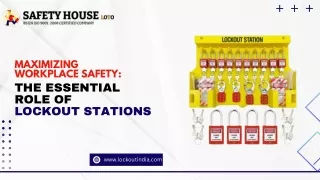
Types of Group Lockout Boxes: ● Portable Boxes - Made from durable steel or polycarbonate, these can accommodate 6–20 padlocks and move with the maintenance workers. Ideal for varied job sites and mobile teams. ● Wall-Mounted Stations - Permanent installations for equipment requiring regular multi-worker maintenance. Often include storage for tags, hasps, and other lockout tagout devices. ● Advanced Systems - Feature clear viewing windows, risk-level color coding, and integrated documentation holders for enhanced visibility and organization. Key Implementation Requirements: For group lockout boxes to be effective, organizations must establish clear protocols: Authorization Protocols - Only trained, authorized employees should initiate group lockout. This person must identify all energy sources, ensure proper isolation, and verify zero energy states before placing keys in the box.
Mandatory Verification - Before keys enter the box, authorized employees must test for zero energy using voltage detectors, pressure gauges, control checks, and visual inspection. Comprehensive Documentation - Effective programs record equipment details, energy sources isolated, names of participating workers, lock application times, and scope of work. Each worker signs onto the group lockout, creating accountability and awareness. Common Pitfalls to Avoid: Even with group lockout boxes, mistakes can occur. The most common include: Incomplete Isolation - Workers apply locks to the box, but underlying energy isolation is incomplete. Solution: Require thorough verification before any worker begins. Premature Lock Removal - A worker removes their lock while others continue working. Solution: Establish clear completion criteria - no locks removed until all work is finished. Poor Communication - Workers don’t know who else is locked out or what work is being performed. Solution: Use attached tags or log sheets identifying all participants and their roles.
Building a Safety Culture: ● Equipment alone never ensures safety. The most successful group lockout programs share these characteristics: ● Leadership commitment that prioritizes safety over production pressures. ● Hands-on training using actual facility equipment, not just classroom instruction. ● Peer accountability where workers feel empowered to challenge unsafe practices. ● Regular refresher training keeping procedures fresh and top-of-mind. ● Recognition systems celebrating safe execution of complex lockouts. Conclusion: Group lockout boxes transform multi-worker LOTO from a coordination challenge into a systematic, fail-safe procedure. They cost relatively little to implement but provide irreplaceable protection for workers exposed to hazardous energy. Their true value lies not in compliance checklists but in the lives saved - ensuring every worker goes home safely. In industrial safety, redundancy is non-negotiable. Group lockout boxes deliver exactly that: a simple, proven system that makes collective safety stronger than individual effort.