Navigating Change: The Dynamics of Group Development and Conflict Management
This comprehensive guide explores the multifaceted nature of change within organizations, emphasizing essential processes of group development: forming, storming, norming, and performing. It delves into the inevitability of conflict, its constructive potential, and ways to channel it for innovative solutions. Strategies for managing conflict are provided, highlighting communication, ground rules, and the importance of breaks when tensions rise. Additionally, it discusses the role of change agents, shared leadership, and the development of a support network for successful change initiatives, fostering resilience and collaboration.


Navigating Change: The Dynamics of Group Development and Conflict Management
E N D
Presentation Transcript
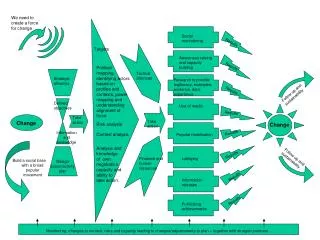
1. Change
2. Change
3. Nature & Cycle of Groups
Forming Storming
Transforming Norming & Performing
4. Change Process Awareness
Self-Concern
Mental Tryout
Testing
Adoption
5. Support for Change Awareness = Ad Agent
Self-Concern = Guide
Mental Tryout = Demonstrator
Testing = Instructor
Adoption = Technical Assistant
6. The Role of Conflict Conflict:
is inevitable
is important to the change process
can lead to constructive results
can be channeled to maximize creative solutions
can enhance group innovation
7. Managing Conflict Expect Conflict
Acknowledge as natural to change
Talk openly and honestly
Channel around an issue not a person
Use to fuel creativity
Resist the urge to quit or disband
8. Managing Conflict Develop ground rules to positively support conflict
When it gets hot - take a break
Use an outside facilitator
Celebrate success
9. Facilitating Change Be part of the solution
Know you have power to make change
Small strides = change
less energy is spent supporting change
Individual make-up systems
Be a life-long learner
Change is not an excuse to do nothing
10. What Skillful Change Agents Know Change occurs more slowly than anticipated
Build a support network
Don’t expect to have all the answers
Empower others
Remember to be a facilitator not a savior
Don’t expect lots of credit or recognition
Have a sense of humor and use it often
11. Four Hats of Shared Leadership Facilitating
Presenting
Coaching
Consulting