

SlideServe
Menu
Préférences
© SlideServe · v2026

Sugar

amil avatar
6 diapositives · 359 Views · Jul 20, 2014

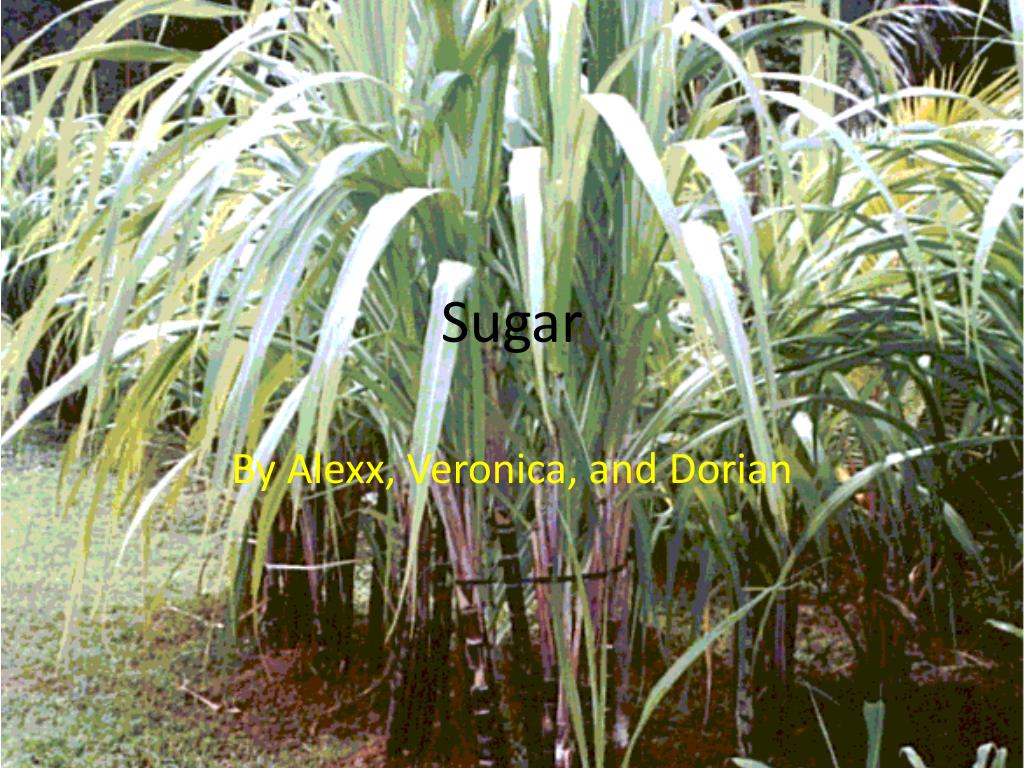
Sugar. By Alexx , Veronica, and Dorian. How/why is this product used?. Sugar is found in almost everything, but mostly in baked goods, sodas, and candy. Sugar is used for trade. Sugar is a preservative. It lowers temperature at which food is frozen.
Sugar - slide 1
01 / 6Sugar
1 / 17

Télécharger la présentation

Sugar
Une image / un lien ci-dessous est fourni (tel quel) pour télécharger la présentation

Politique de téléchargement : le contenu du site vous est fourni TEL QUEL pour votre information et votre usage personnel ; il ne peut être vendu, concédé sous licence ni partagé sur d’autres sites sans l’accord de son auteur.Le contenu vous est fourni TEL QUEL, pour votre information et votre usage personnel uniquement. Téléchargez la présentation en cliquant sur ce lien. Lors du téléchargement, si vous ne parvenez pas à télécharger une présentation, l’éditeur a peut-être supprimé le fichier de son serveur.Pendant le téléchargement, si vous ne parvenez pas à obtenir une présentation, le fichier a peut-être été supprimé par l’éditeur.

F I N

Plus de contenu associé

Transcription de la présentation
  1. Sugar By Alexx, Veronica, and Dorian

  2. How/why is this product used? • Sugar is found in almost everything, but mostly in baked goods, sodas, and candy. • Sugar is used for trade. • Sugar is a preservative. It lowers temperature at which food is frozen. • Sugar can treat skin and urinary tract infections, bronchitis, anemia, cough, ayurvedic, and helps loss of milk production. • FUN FACT!-To cure hiccups, mix fresh stem juice from sugarcane with ginger.

  3. What are the environmental consequences of extracting and/or using this product? • Sugar production takes a toll on the surrounding soil, water, and air, especially in the threatened tropical ecosystems near the equator. • Some sugarcanes are grown with agro-chemicals which destroys the wildlife, air, and soil in areas that are not around their natural tropical areas. • Sugarcane forming is the destroying the coastal wetland and the byproducts run into the Great Barrier reef.

  4. What are the cultural consequences of extracting and/or using this resource? • Everyone uses sugar to sweeten their coffees, juice mixes, and putting it in food that are supposed to be healthy, for example, oatmeal. • Sugar is something the body actually needs for energy. • All the dairy products, vegetables, fruits juices, and foods with high calories and low in vitamins and minerals. • Sugar causes nutrient deficiencies, cavities, dental plaque, diabetes, and weight gain. (Each grain of sugar equals 4 calories.)

  5. What is the government doing about it? • The government isn’t doing anything to stop it. They are actually helping out by spreading sugar cane plantations. • They offer land to give to countries like Brazil to expand and grow their sugar cane plantations.

  6. What does our group think should be done? Well… • We believe the effects of sugar cane harvesting are horrible. The permanent damages it leaves on the earth's coasts, waters, rain forests, tropical areas and fields needs to be changed. To help, sugar cane harvesting should be monitored. There is an organization called the Sucrette Project that monitor sugar cane farms and they are trying to develop a tool to grow better quality sugar cane.