

SlideServe
Menu
Préférences
© SlideServe · v2026

Wolf

andrew avatar
12 diapositives · 1K Views · Jan 22, 2012

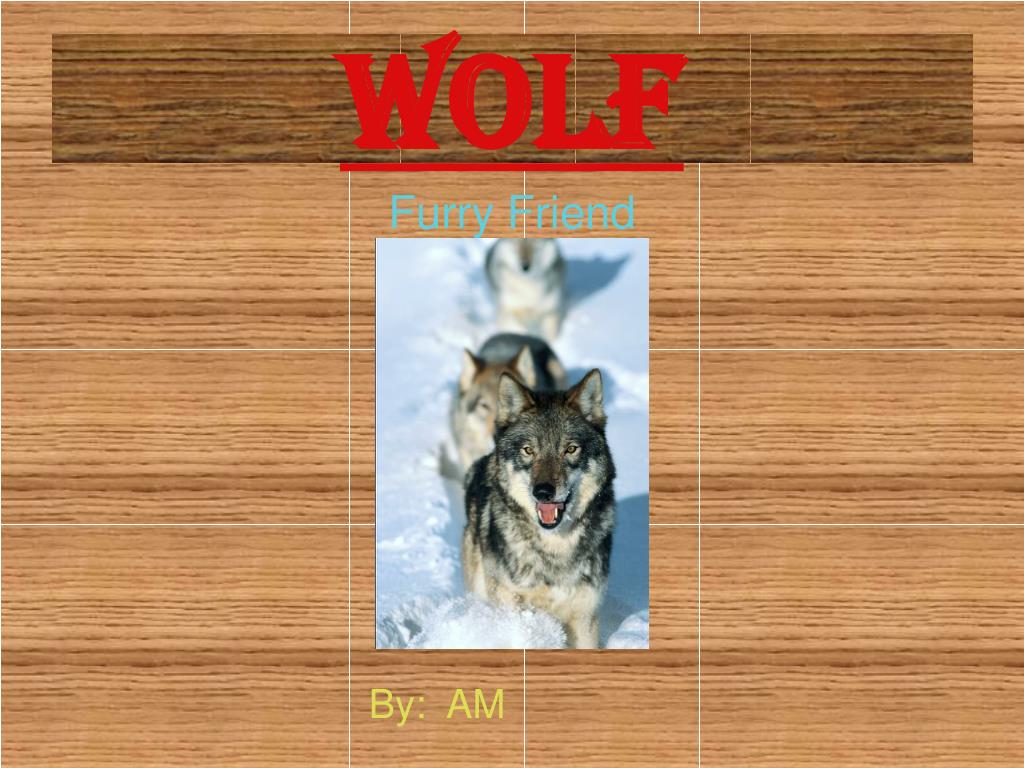
Wolf. Furry Friend . By: AM. Getting to Know Wolf. Lupus means wolf They have strong teeth They are like dogs They are in the canine family. Physical Features. The fur helps them stay warm. The fur can be different colors, such as grey, black, brown, tan
Wolf - slide 1
01 / 12Wolf
1 / 17

Télécharger la présentation

Wolf
Une image / un lien ci-dessous est fourni (tel quel) pour télécharger la présentation

Politique de téléchargement : le contenu du site vous est fourni TEL QUEL pour votre information et votre usage personnel ; il ne peut être vendu, concédé sous licence ni partagé sur d’autres sites sans l’accord de son auteur.Le contenu vous est fourni TEL QUEL, pour votre information et votre usage personnel uniquement. Téléchargez la présentation en cliquant sur ce lien. Lors du téléchargement, si vous ne parvenez pas à télécharger une présentation, l’éditeur a peut-être supprimé le fichier de son serveur.Pendant le téléchargement, si vous ne parvenez pas à obtenir une présentation, le fichier a peut-être été supprimé par l’éditeur.

F I N

Plus de contenu associé

Transcription de la présentation
  1. Wolf Furry Friend By: AM

  2. Getting to Know Wolf Lupus means wolf • They have strong teeth • They are like dogs • They are in the canine family

  3. Physical Features • The fur helps them stay warm. The fur can be different colors, such as grey, black, brown, tan • Their long legs help them run fast • They have large ears and it helps them hear small sounds • The tail helps them balance when running and jumping • They are bigger then dogs • They havea long snout, black nose, eyes set apart, sharp teeth • They can weigh • They can be

  4. How They Get Their Food And How They Live • Wolves hunt in packs • prey is located by chance or set • They eat anything they catch like moose, elk, oxen, deer • They steal prey of other predators • They are endangered

  5. Habitat And Climate • They live in Asia Europe and North America • Where they live it is cold but it can change and get warmer • They try to stay away from people and stay in the wild

  6. Landforms • Forest • Plains • They go where the food is • They don’t go near people because they don’t want to be killed • Hills

  7. Babies And What It Looks Like • They have a litter of six • when they are one month old they begin to explore the outside world • They have soft fur • Long legs for their small body • Tails • They look like cute puppies

  8. Prey And Predator • Predator of: • deer • mice • hares • insects • They can eat berries if hungry Prey of: • humans

  9. Physical Adaptations • They have two layers of coats. The first layer of coat repels dirt and water. • Dark fur color to help them camouflage • the secnd coat helps them stay warm

  10. Behavioral Adaptations • They hunt in packs which helps them kill the anamil faster • They hunt during the day which helps them see the anamils

  11. What is inside and how it helps it adapt to its environment • Contains very large lungs to help them breath when they run • Contains very large heart so the wolf does not become short of breath when running long distances • Deep chest for eating large animals • Wolf saliva reduces bacteria infections and cuts

  12. Fun Facts • The under coat keeps them warm • no gray wolf is the same color • The largest wolf is the gray wolf • Wolves hunt in a pack