Enhancing Student Behavior and Learning Through PBIS: A Comprehensive Approach
This resource outlines the key elements of Positive Behavioral Interventions and Supports (PBIS) in Allenstown, highlighting data-driven practices for improving student outcomes. We explore universal behavior referral forms, behavior matrices, and the role of the district-wide positive behavior team. Additionally, we address the Responsive Classroom approach, including morning meetings, rule creation, and community building. Strategies for cultivating academic skills, social-emotional growth, and self-management are discussed, along with collaborative problem-solving techniques that engage families and empower students in their learning journeys.

Enhancing Student Behavior and Learning Through PBIS: A Comprehensive Approach
E N D
Presentation Transcript
Elements of PBIS Outcomes Systems Data Practices
Our Practices Process for following students Behavior Matrices District Wide Positive Behavior Team Universal Behavior Referral Forms Core Values
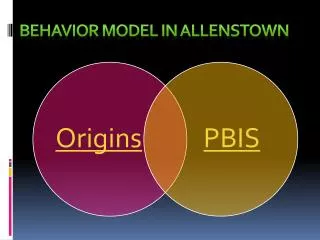
Origins Responsive Classroom Developmental Designs AES ARD Same Goal Create an environment for optimal learning
Elements of Responsive Classroom Morning Meeting Rule Creation Interactive Modeling Positive Teacher Language Logical Consequences Guided Discovery Academic Choice Classroom Organization Working with Families Collaborative Problem Solving
Elements of Developmental Designs Academic Skills Self Management & Social-Emotional Skills Relationship and Community Skills References
Self management & Social – Emotional Skills Pathways to Self Control Executive Functioning Skills Modeling and Practicing Goal Setting
Relationship and community skills Group Roles Activities and Games Structured Assemblies Team Meetings
Academic Skills Empowering Teacher Language The Loop Collaborative Problem Solving Student Choice Scaffolding Diversification Bridging Pacing Structured Interaction
References • www.pbis.org • www.originsonline.org
More Data
Aes referrals Amount per student
Ard referrals Amount per student