Conjugate regular –er in the preterite
70 likes | 211 Vues
This guide focuses on conjugating regular -ER verbs in the preterite tense, essential for describing completed past actions. The preterite tense is used to indicate that an action has finished, such as "I rode the pony at the circus" or "We ordered tickets for the show." It’s important to distinguish when not to use the preterite (like for ongoing actions or descriptions) and understand its application through practice with the verb "aprender" (to learn). Perfect your Spanish communication by mastering these rules!


Conjugate regular –er in the preterite
E N D
Presentation Transcript
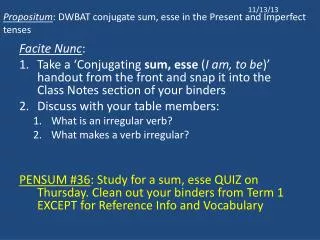
Conjugate regular –er in the preterite Grammar essential #54
Preterite Tense Preterite tense is used to tell actions that happen in the past. It is used for actions that are done and completed. Boom, done. Example: I rode the pony at the circus. He read the book. We ordered the tickets for the show.
Preterite Tense You cannot use preterite to describe the following in preterite (it will be imperfect tense): PWATER • Physical description • Weather • Age • Time • Emotion • Reoccurring Actions
Preterite Tense regular -er Same rules to conjugation are in effect. We will practice with the infinitive Aprender – to learn