Effective Group Treatment Approaches for Substance Abuse Recovery
160 likes | 189 Vues
Learn about group dynamics, stages of development, and continuum of care in substance abuse counseling. Discover pragmatic strategies, therapeutic methods, and the efficacy of group treatment.


Effective Group Treatment Approaches for Substance Abuse Recovery
E N D
Presentation Transcript
CHAPTER 8:Group Treatment Substance Abuse Counseling: Theory and Practice Fifth Edition Patricia Stevens Robert L. Smith Prepared by: Dr. Susan Rose, University of the Cumberlands
Overview of Chapter • Introduction • Evolution of Group Treatment • Group Dynamics, Process and Structure • Group Treatment in the Continuum of Care • Pragmatics of Group Treatment • Group Treatment Efficacy
Introduction • Group treatment is the most common modality for the delivery of services to individuals and families recovering from substance use disorders. • Psychoeducational groups can provide means for learning information about addiction as well as social and coping skills needed to reduce risk of relapse. • Self-help groups cultivate hope. • Best outcomes involve matching clients with stages of change, intervention, or counselor characteristics. • Early identification and intervention with at-risk adolescents can disrupt the progression of problems with addictive disorders.
Group Dynamics, Process and Structure: Stages of Group Development
Group Dynamics, Process and Structure: Structural Considerations • Voluntary participation? • Receptivity or Amenability to Treatment • Attrition • Major contributing factor: Failure to attend to multicultural concerns
Group Treatment in the Continuum of Care • Continuum of Care: represents a response of behavioral healthcare to demands for matching patient needs to effective modalities of treatment • Prevention • Prevention groups for children: • Increase self-esteem • Improve social and problem-solving skills • Avoid problem behaviors
Group Treatment in the Continuum of Care • Detoxification and Inpatient Treatment • Detoxification • First stage in addiction treatment • Represents beginning of treatment/No an end in itself • Residential Treatment • Primary modality for treating alcoholism, drug addiction, and other addictive disorders
Group Treatment in the Continuum of Care • Partial Hospitalization and Day Treatment • Day treatment represents a modality especially indicated fro dual-diagnosis patients • Aftercare and Sober Living • Outpatient Groups and Community Care • Provides support to reduce risk of relapse
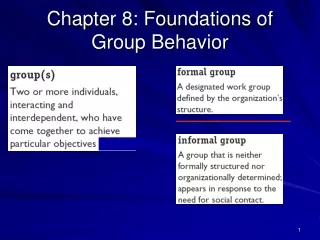
Pragmatics of Group Treatment • Therapeutic Community • The Group Method of Therapeutic Community is based on: • Shared governance • Accountability to others • Expression of healthy values • Self-Help Groups • Based on the 12 Steps and Traditions of Alcoholics Anonymous • Psychoeducational Groups • Apply principles of teaching to convey important information about addiction and recovery • Cannabis Youth Treatment Series
Pragmatics of Group Treatment • Cognitive and Behavioral Interventions • Combine the didactic method of psychoeducational groups with systematic training in coping, social, and problem-solving skills • Co-occuring disorders: contemporary term for comorbid disorders or dual diagnosis • Forms of Cognitive and Behavioral Interventions • Seeking Safety • Motivational Interviewing
Pragmatics of Group Treatment • Group Psychotherapy • Differs from other forms of group treatment: • Highly skilled leader is required • Group itself is viewed as the means for therapeutic change • Uses cohesiveness to create a safe, holding environment in which members may explore their feelings and their relationships with one another
Pragmatics of Group Treatment • Relational Therapy and Family Groups • Involves individuals and intimate others in a group process to examine bonding and boundaries • Most common form of relational therapy in substance treatment is multifamily groups. • Some groups seem to fit a particular level in the continuum of care: • Psychoeducational groups in the school setting to prevent substance abuse
Group Treatment Efficacy • Group Treatment presents obvious benefits in terms of: • Efficiency, • Relatively low costs in comparison to individual treatment, • Compatibility with the needs and preferences of recovering people.