Download
1 / 14
140 likes | 263 Vues
This guide explores the concept of scaffolding in education, particularly for high-potential and gifted students. It clarifies misconceptions about scaffolding and emphasizes its importance for students from diverse backgrounds, including those with learning difficulties or language barriers. The piece discusses when and how to effectively implement scaffolding without overuse, ensuring it is tailored to individual student needs. Various instructional aspects are covered, along with practical examples and tools for educators to enhance their teaching strategies and support student learning effectively.

E N D
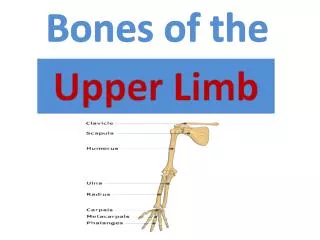
Pointing Out the Bones Scaffolding for High-Potential Students
Misconceptions vs. Reality • Kids initially think their skeletons … • 1 • 2 • 3 • 4 • 5 • 6 • Kids learn that their skeletons … • 1 • 2 • 3 • 4 • 5 • 6
Who needs scaffolding? • Students without rich language backgrounds • Students learning English • Students with learning difficulties or disabilities • Students from experience-poor backgrounds • Students who missed or didn’t understand an essential piece of instruction -- anyone who can’t make the connections between existing knowledge and new learning
When to scaffold • Only when a student needs it • Don’t overuse it • Don’t scaffold with everyone in the same way
Scaffolding is … Making the (hidden) OBVIOUS
Examples Work in a small group and examine one of these: • Primary Interactive Journal Prompts • College of William & Mary poetry lesson from Autobiographies • Bones lesson plans What types of scaffolding is used in each example?
Aspects of instruction to scaffold 1. FoundationalTransformational Information, Ideas, Materials, Applications 2. Concrete Abstract Representations, Ideas, Applications, Materials 3. Simple Complex Resources, Research, Issues, Problems, Skills, Goals
Aspects of instruction to scaffold 4. Few Facets Many Facets Disciplinary Connections, Directions, Stages of Development 5. Smaller Leap Greater Leap Applications, Insight, Transfer 6. More Structured More Open Solutions, Decisions, Approaches
Aspects of instruction to scaffold 7. Clearly Defined Problems Fuzzy Problems Process, Research, Products 8. Less Greater IndependenceIndependence Planning, Designing, Monitoring 9. Slower Quicker Pace of Study, Pace of Thought
Scaffolding and Gifted Instruction • Some aspects of a lesson will look more like a lesson for gifted students • Some aspects will look more like a lesson for struggling learners • Because some gifted students are struggling leaners!
Tools, Strategies, & Structures • From Krista Smith, English Language Arts Specialist, Mesa County Valley District 51 • Explains the strategy – the why, the how & the what • Explains how teachers can use the strategy • Explain what students get out of the strategy, and what the underlying difficulty is that the student is having that makes him or her need the strategy