Mastering Screenplays and Storyboarding: Essential Guide to Movie Making
Dive into the engaging world of movie making with a focus on screenplays and storyboarding. This guide details the essential components of screenplay writing, including character descriptions, dialogue, and camera directions, while emphasizing the importance of storyboards to visualize scenes through actions, sound effects, and emotional mood. Learn how to convey your story effectively using visual storytelling techniques and discover practical exercises, such as creating a storyboard from a fairy tale and defining the mood of your scenes. Unleash your cinematic creativity!

Mastering Screenplays and Storyboarding: Essential Guide to Movie Making
E N D
Presentation Transcript
Movie Making: Screenplays Storyboarding and Scriptwriting
Screenplays contain: Storyboard which communicates via pictures: • Actions • Sound effects/ music • Mood • Feeling Script which communicates via words : • Character Descriptions • Countries or Rooms • Dialogue • Camera Direction • Special Effects What Is a Screenplay?
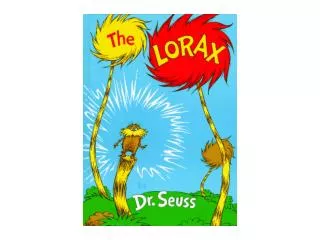
What movie is this? What movie is this? Storyboard: The root of the idea
An idea can be summed up in one picture or less. Spiderman Superman
Scene Descriptions • Action Description • Camera Instructions • “Fade in” and “cut to” • Sound Directions • Character Speaking • Dialogue • Scene Number Parts of a Screenplay
Script Writing Essentials • Character and Setting • Problem • Climax • Resolution What’s Your Story?
StoryboardingStories in pictures Point of View (POV) Close-up (CU) Pullback (PB) Cut to Fade out Fade in Dissolve
Activity • Choose a fairytale. • Get a blank piece of paper. • Plan and draw a storyboard of 5 pictures—No more. • When you have finished the pictures, write a caption for each. • Together the captions and the drawings will tell the story. Example: Cinderella cannot got the ball (Dramatic conflict) A fairy godmother waves her wand The prince dances with Cinderella Cinderella leaves her glass slipper behind The slipper fits Cinderella (Final Resolution)
Other Examples: Jack and the Bean Stalk Rapunzel Sleeping Beauty Snow White Other…. Storyboard Example
Sound:One more Layer Setting the Mood • Choose one board from your storyboard. • Think of the mood you want to capture and write down the one word that best describes it, funny, sad, frightening etc.. • Now think of how you want your viewer to feel • How do you want the listener to feel when they hear the music? • Do you want your music to appeal to adults or children, or both? • Talk about your thoughts when you have completed your task. • Add your mood thoughts to the third set of boxes and share. Example Cinderella dances with the Prince Enchanting I want the viewer to feel the dreamy romance of the moment I want my music selection appeal mostly to children, but I know adults will also have to watch this so I will keep their entertainment in mind. What do you think about an orchestral selection?