SlideServe
Menu
Préférences
© SlideServe · v2026

Exploring the Diversity of Vertebrates: From Fish to Mammals

barto avatar
37 diapositives · 566 Views · Jul 18, 2014

This guide delves into the fascinating world of vertebrates, classified under the phylum Chordata. Vertebrates are characterized by a dorsal nerve cord, a hollow backbone, and a ventral heart. The five major classes—Chondrichthyes (sharks and rays), Osteichthyes (bony fish), Amphibia (frogs and toads), Reptilia (snakes and lizards), Aves (birds), and Mammalia (mammals)—demonstrate a range of skin coverings, heart structures, and modes of reproduction. Understanding these classifications reveals the complex relationships and adaptations of vertebrate species across diverse ecosystems.
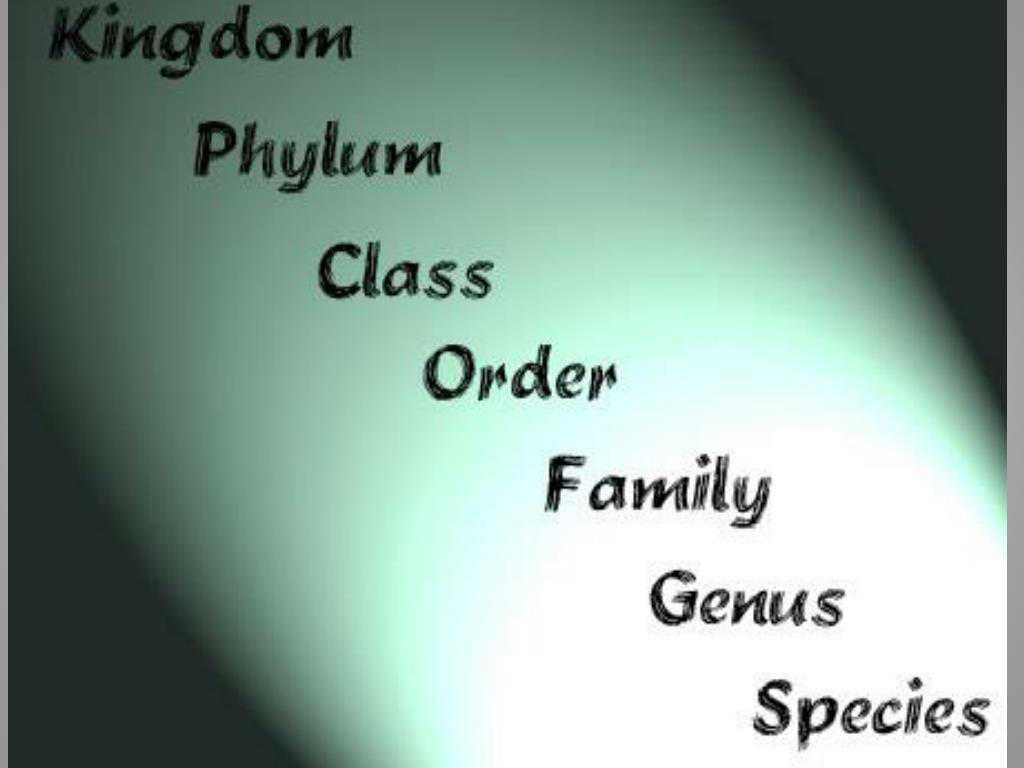
Exploring the Diversity of Vertebrates: From Fish to Mammals - slide 1
01 / 37Exploring the Diversity of Vertebrates: From Fish to Mammals
1 / 17

Télécharger la présentation

Exploring the Diversity of Vertebrates: From Fish to Mammals
Une image / un lien ci-dessous est fourni (tel quel) pour télécharger la présentation

Politique de téléchargement : le contenu du site vous est fourni TEL QUEL pour votre information et votre usage personnel ; il ne peut être vendu, concédé sous licence ni partagé sur d’autres sites sans l’accord de son auteur.Le contenu vous est fourni TEL QUEL, pour votre information et votre usage personnel uniquement. Téléchargez la présentation en cliquant sur ce lien. Lors du téléchargement, si vous ne parvenez pas à télécharger une présentation, l’éditeur a peut-être supprimé le fichier de son serveur.Pendant le téléchargement, si vous ne parvenez pas à obtenir une présentation, le fichier a peut-être été supprimé par l’éditeur.

F I N

Plus de contenu associé

Transcription de la présentation

  1. KINGDOM ANIMAL • PHYLUM: CHORDATA • SUBPHYLUM: VERTEBRATA

  2. VERTEBRATES ANIMALS WITH: Dorsal nerve cord Hollow backbone Ventral heart

  3. 5 major classes • Classified by: • Skin covering • Heart chambers • Reproduction • Type of limbs • How they maintain body temperature

  4. HOMOLOGOUS STRUCTURESshow relationships

  5. ChondrichthyesSharks, rays • Skin covering: teeth • Two chambered heart • External or internal fertilization • Limbs – fins • Cold blooded, aquatic

  6. Skate egg capsule

  7. For a bowl of soup, we alter the ecosystem

  8. OstheicthyesBony fish • ectothermic(cold blooded), aquatic vertebrates. • skin is covered with scales. • limbs - finsfor swimming. • breathe with gills. • External fertilization - lay eggs that must be in water.

  9. AMPHIBIANSFROGS, TOADS, NEWTS, SALAMANDERS • ectothermic vertebrates. • skin is either smooth (like a frog) or rough (like a toad). • dependent upon moisture and subject to desiccation; their skin must remain moist to aid in breathing • lay eggs in water, which hatch into an intermediate life form (tadpole or larva) that usually breathes with gills, and change into the adult form that breathes air and can live outside water. • three-chambered hearts. • lack claws on their toes.

  10. frog

  11. Cane toad

  12. NEWT

  13. RED SPOTTED NEWT

  14. SALAMANDER

  15. REPTILESSnakes, lizards, turtles, gators • ectothermicvertebrates. • skin has scales, but no hair or feathers. • three-chambered hearts (except for alligators and crocodiles, which have four-chambered hearts). • claws on their toes • first animals, in evolution, to develop the amniotic egg. This allows reptiles to lay eggs on land.

  16. Amnionic Egg (shelled egg)

  17. copperhead

  18. rattlesnakes

  19. Pygmy rattlesnake

  20. BIRDS • endothermic vertebrates. • skin is covered with feathers. • four-chambered hearts. • bones are lightweight and usually hollow. • forelimbs are modified as wings. • lay eggs.

  21. MAMMALS • endothermic vertebrates. • Body covered with hair, which varies greatly among species. • Most have sudoriferus (sweat) glands. • have mammary (milk-secreting) glands. • sebaceous (fat-secreting) glands. • have heterodont dentition (different types of teeth).

  22. Egg laying mammals

  23. Pouched Mammals