Download

1 / 32
320 likes | 449 Vues
Explore the depths of prehistory, where the earliest evidence of human existence began in Africa. Discover how paleontologists analyze fossils while archaeologists uncover remains of ancient humans and artifacts. Learn about the evolution of early societies, from the Nile Valley civilization's shift from hunting to agriculture around 5,000 BC, to the architectural marvels like Imhotep's step pyramid. Delve into the Kingdoms of Kush and Axum, their cultural advancements, trade networks, and eventual decline, reflecting the rich tapestry of ancient African history.

E N D
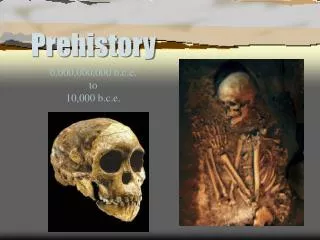
Prehistory TIME PERIOD BEFORE WRITTEN EVIDENCE Paleontologists Studies fossils of man & animals
Archaeologists Study the remains of ancient humans (both fossils & artifacts) Anthropologists Scientists studying physical and cultural characteristics of humans
Discovery of Ancient Man • Most remains found in Great Rift Valley….Olduvai Gorge (Tanzania)…1959 • Mary & Louis Leakey discovered many hominids
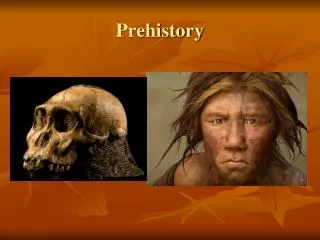
Origins of Man • 1st evidence found in Africa • Australopithecus • Taung, South Africa • Ape-like: walked upright: brain = 1/3 human size • 3 - 4 million years old
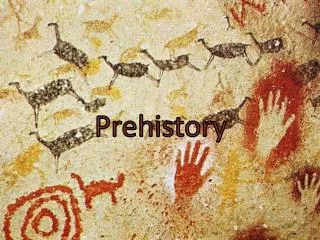
Other Evidence • Rock Art • Remains of tools, animal bones, etc…
Nile Valley Civilization • Evolved from hunting & gathering to agricultural society • 4,000 to 5,000 BC permanent farming settlements • 3,500 BC Upper & Lower Kingdoms of Egypt
EGYPT of the PHARAOHS • 3000 BC - 44 BC • PHAROAH= god-KING • TOTAL POWER
EGYPTIAN RELIGION • POLYTHEISM • AMUN RA: SUN WORSHIP • ISIS: MOTHER DEITY • OSIRIS: UNDERWORLD & FATHER • SET= DEVIL • HORUS= SAVIOR GOD
LIFE AFTER DEATH • BIGGEST CHANGE OVER PAST RELIGIONS • TOMBS & PASSAGES • IMHOTEP 2700 • 1ST KNOWN ARCHITECT IN HISTORY
IMHOTEP • Imhotep • Built the 1ST PYRAMID • His name inscribed on north side of unfinished pyramid • not a priest
Imhotep lived during the Old Kingdom and was born a commoner during the Third Dynasty. He was very skilled and was dedicated to the ideals of his nation. Imhotep quickly rose through the ranks of the temple and court to become a vizier and the High Priest of Ptah. Imhotep was a poet, an architect and physician-priest. He wrote many medical and didactic texts. He is best known, however, as the chief architect of the step pyramid at Saqqara. It remains today as one of the most brilliant architecture wonders of the ancient world. During the New Kingdom, Imhotep was deified and became the "Son of Ptah." The Romans Claudius and Tiberius inscribed their praises of Imhotep in the temples in Egypt. For more information about Imhotep visit these sites: Architect imhotep Imhotep: Ministry of Tourism, Egypt.
How wide is the average pyramid? Base = 10 FOOTBALL FIELDS!
Developed Hieroglyphics • System of writing developed by Egyptians. • Used pictures and symbols
Other Egyptian advances • math/farming • Medical • Produced a calendar • astronomy.
Kingdom of Kush • Kingdom South of Egypt • 750 B.C. Kush empire conquers Nile valley.
Development of Iron weapons • After defeat by Assyrians.. • established empire on banks of Nile • Meroe
Separation from Egyptian culture • Developed their own alphabet. • Developed own Gods.
Pre-Class • Name parts of our culture that we have adopted from other cultures, or countries.
Kush continued • Kush profited from trade, all through Arabia, and India
Fall of Kush empire • 200 A.D. invasions, and internal conflict lead empire to collapse.
Kingdom of Axum • Developed on where modern day Ethiopia is today. • 330 A.D. King Ezana defeats the Kush.
Important center of trade • Ivory, gems, spices
King had converted to Christianity • Ethiopia still has Christian communities today.
Decline of Axum • Environmental problems • Persians influence • Spread of Islam