Drought Error Coins
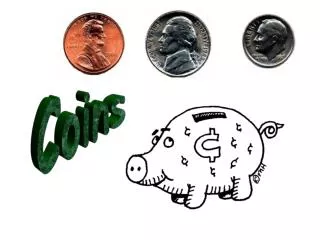
Drought Error in coins refers to a minting defect where parts of the coinu2019s design appear faint, incomplete, or missing due to insufficient metal flow or weak striking. In Indian coins, this rare error affects details like dates, symbols, or text, making each piece unique and valuable to collectors.<br><br><br><br><br><br><br><br><br><br>


Drought Error Coins
E N D
Presentation Transcript
Title: Indian Coins and Stamps – Drought Error Coins Introduction: Drought Error coins are a rare category of minting defects where parts of the coin's design appear weak, missing, or faded due to insufficient metal flow during striking. In Indian coinage, these errors are not officially categorized by the mints but are recognized by numismatists for their distinctive appearance and collectible value. What is a Drought Error in Coins? A Drought Error (also called a “strike-through” or “weak strike” error by some collectors) typically results when: •The metal blank is not properly centered or struck •Insufficient pressure is applied during minting •Die wear or debris causes incomplete impression These factors create faint, flat, or missing details on one or both sides of the coin. Key Features of Drought Error Coins: Affected Area What You May See Date and DenominationWeak or unreadable numbers National Symbols Faint Lion Capital, Ashoka Chakra, or Rupee sign Missing or shallow inscriptions like "INDIA" or "भारत" Letters/Text Rim Irregular or underdeveloped edge Note: These errors are different from worn-out coins—drought errors occur during minting, not through circulation. Examples in Indian Coinage: •₹1 Coin (1990s–2000s): Missing digits in date or partial Lion Capital •₹2 and ₹5 Coins: Weak reverse designs or faded legends
•Commemorative Coins: Partial strike on images or themes Collector Interest and Value: Factor Impact on Value Visibility of Error Clearer the error, higher the value Coin Condition UNC or AU drought error coins fetch more Denomination & YearRare years or lower mintage coins gain premium Rarity True mint-caused drought errors are uncommon Drought errors are especially valued when they occur on commemorative or bimetallic coins. Tips for Collectors: •Use magnification to confirm lack of strike, not wear •Compare with a normal coin of the same year for accuracy •Store separately and label clearly (e.g., “Partial Strike – Drought Error”) •Avoid cleaning – it may remove faint details and reduce value Stamp Pairing Suggestion: Although there are no drought error stamps, pairing a drought error coin with a stamp from the same year or commemorative theme enhances collection value. Coin YearDrought Error Coin Suggested Stamp Pair 2002 ₹5 coin with missing AshokaIndia Post Golden Jubilee stamp 2010 ₹2 with faded reverse legendCWG 2010 Commemorative Stamp Conclusion: Drought Error Coins offer collectors a glimpse into the rare imperfections of minting processes. Their incomplete yet intriguing designs make them prized finds among
Indian coin enthusiasts. Identifying and preserving such coins adds rarity and depth to any numismatic collection, especially when paired with stamps of the same period.