
Understanding Sources: The Roles of Archaeologists and Anthropologists in History

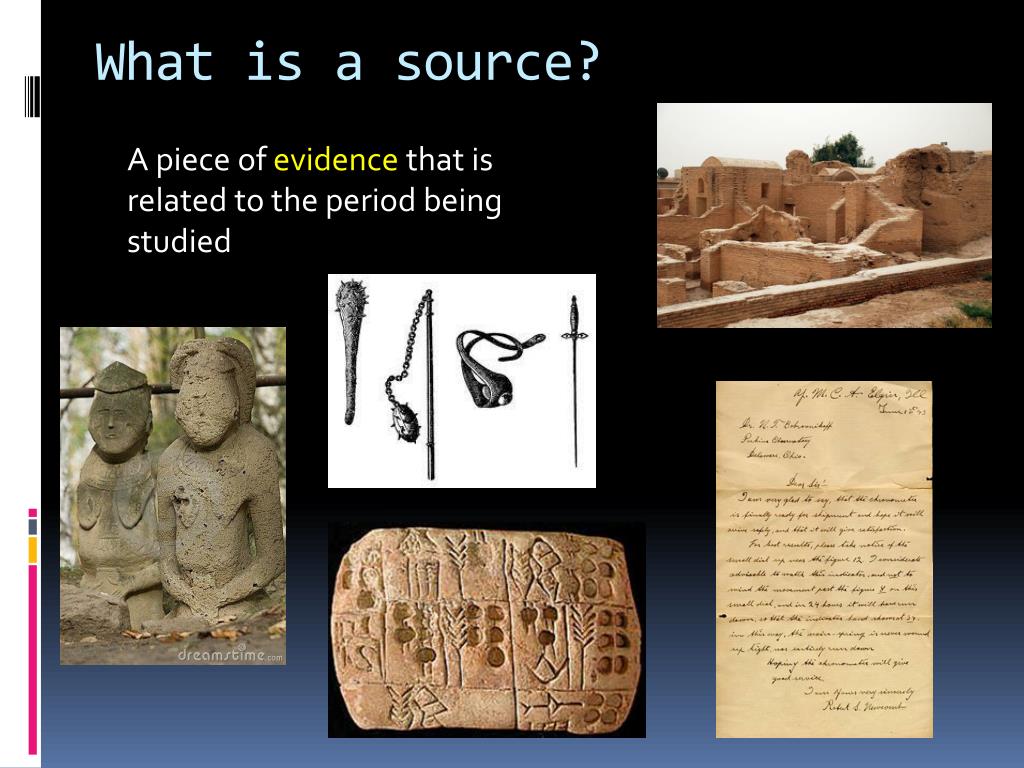
This text explores what constitutes a source in historical research, emphasizing its significance in studying the past. It distinguishes between archaeologists, who analyze material remains like ruins and artifacts, and anthropologists, who focus on human societies and behaviors. The discussion highlights potential biases in evidence collection and the importance of a balanced view of history. Additionally, homework tasks prompt reflections on the value of studying history as a global citizen and define key terms such as civilization, fossil, and bias.
Télécharger la présentation 
Politique de téléchargement : le contenu du site vous est fourni TEL QUEL pour votre information et votre usage personnel ; il ne peut être vendu, concédé sous licence ni partagé sur d’autres sites sans l’accord de son auteur.Le contenu vous est fourni TEL QUEL, pour votre information et votre usage personnel uniquement. Téléchargez la présentation en cliquant sur ce lien. Lors du téléchargement, si vous ne parvenez pas à télécharger une présentation, l’éditeur a peut-être supprimé le fichier de son serveur.Pendant le téléchargement, si vous ne parvenez pas à obtenir une présentation, le fichier a peut-être été supprimé par l’éditeur.
F I N