Circulatory System Blood
110 likes | 262 Vues
The circulatory system is vital for transporting nutrients, oxygen, and waste throughout the body. Blood, a tissue of fluid and cells, consists of a liquid component containing salts, sugars, and proteins, alongside red and white blood cells. Red blood cells transport oxygen, while white blood cells play a crucial role in defense and immunity. Understanding blood clotting and the factors contributing to cardiovascular diseases, such as atherosclerosis and heart disease, is essential for maintaining cardiovascular health and preventing life-threatening conditions.


Circulatory System Blood
E N D
Presentation Transcript
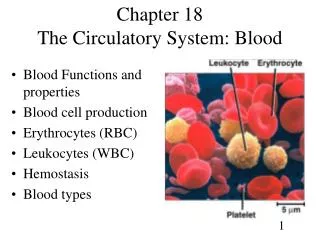
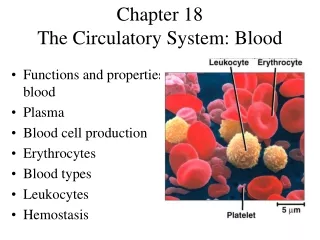
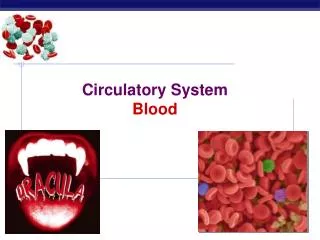
Blood & blood cells • Blood is a tissue of fluid & cells • ____________________ • liquid part of blood • dissolved salts, sugars, proteins, and more • ____________________ • _______________________ • transport O2 in hemoglobin • _______________________ • defense & immunity • _______________________ • blood clotting
Blood Cell production ribs, vertebrae, breastbone & pelvis • ______________ • ____________________________________________________ • differentiate into many different types of cells white blood cells white bloodcells red bloodcells
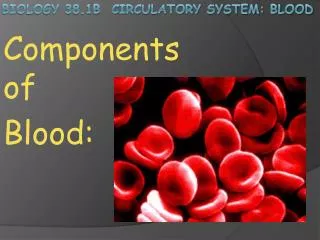
Red blood cells • Small round cells • ___________________________ • 5 liters of blood in body • 5-6 million RBC in drop of human blood • ___________________________ • ______________________________ • ~3 million RBC destroyed each second
Hemoglobin • _________________________________ • 250,000 hemoglobins in 1 red blood cell O2 O2 O2 O2
emergency repair of circulatory system Blood clotting chemicalemergencysignals plateletsseal the hole protein fibersbuild the clot
Cardiovascular disease • Atherosclerosis & Arteriosclerosis • ___________________________________________ • develop in inner wall of the arteries, narrowing their channel • ___________________________________________ • ______________________________________________________________________________________ normal artery hardening of arteries
Cardiovascular health bypass surgery • Risk Factors • _____________________ • _____________________ • high animal fat • _____________________ • smoking • lack of exercise
Heart Disease Heart disease death rates 1996-2002Adults ages 35 and older
Women & Heart Disease Death rates for heart disease per 100,000 women, 2002 • Heart disease is 3rd leading cause of death among women aged 25–44 years & 2nd leading cause of death among women aged 45–64 years. Risk factors • Smoking • Lack of exercise • High fat diet • Overweight