Understanding Genetic Mutations: Types, Effects, and Implications
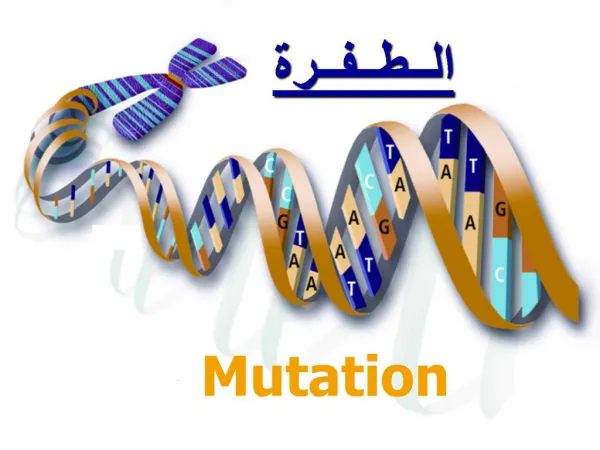
Genetic mutations are heritable changes in DNA that contribute to genetic diversity. They can be categorized into point mutations and chromosomal mutations. Point mutations include substitutions, insertions, and deletions, each with varying effects on amino acids and overall protein function. Chromosomal mutations involve structural or numerical changes in chromosomes, including deletions, duplications, inversions, and translocations. Mutagens, both chemical and physical, can induce mutations, leading to harmful effects, such as cancer, or beneficial traits, like pesticide resistance.

Understanding Genetic Mutations: Types, Effects, and Implications
E N D
Presentation Transcript
Mutations – heritable changes in genetic information. • Creates genetic diversity • Point mutations – occur at a single point in the DNA sequence. • 3 Types of Gene Mutations - Substitution - Insertion - Deletion
Substitution – one base is changed to a different base. Usually affect no more than a single amino acid or they have no effect at all. - Ex. Original Strand – THE BIG DOG BIT TED AND RAN OFF - Substitution – THE BIG DOG BIT TOD AND RAN OFF
2. Insertion – one base is inserted into the DNA sequence. Effects are dramatic. Ex. THE DBI GDO GBI TTE DAN DRA NOF F 3. Deletion – one base is removed from the DNA sequence. Effects are dramatic. Ex. THE BIG OGB ITT EDA ANR ANO FF - Insertions and deletions are called frameshift mutations because they shift the “reading frame” of the genetic message. - Can change every amino acid that follows the point of the mutation.
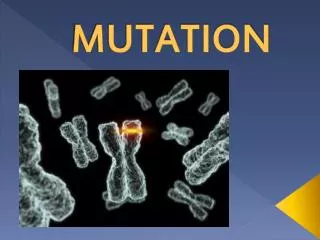
Chromosomal mutations – involve changes in the # or structure of chromosomes. • Can change the location of genes on chromosomes • Can change the # of copies of some genes.
4 Types of chromosomal mutations • Deletion – loss of all or part of a chromosome • Duplication – extra copy of all or part of a chromosome • Inversion – reverses the direction of parts of a chromosome • Translocation – when part of one chromosome breaks off and attaches to another
Some mutations come from mutagens- chemical or physical agents in the environment. • Chemical - pesticides, tobacco smoke, pollution. • Physical - radiation, like X-rays & UV light.
Some mutations have little or no effect. • Harmful mutations – ex. cancers, sickle cell disease (causes anemia & severe pain). • Beneficial mutations - pesticide resistant insects like mosquitoes.