
Understanding the Structural Relationship of Monolayer Catalysts from Galvanic Displacement
E N D
Presentation Transcript
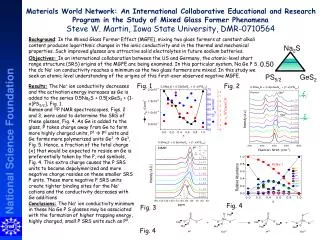
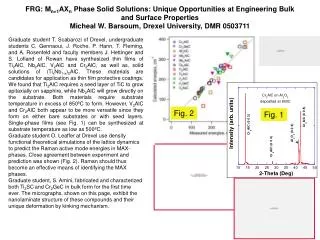
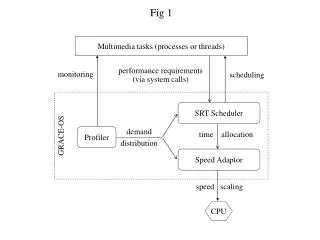
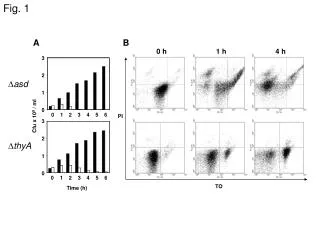
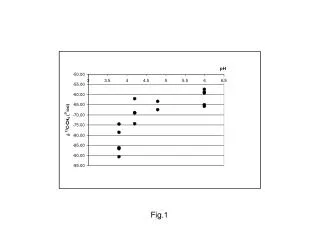
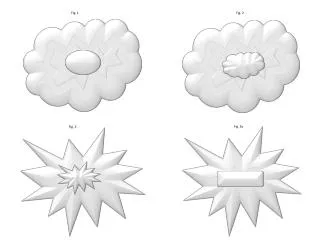
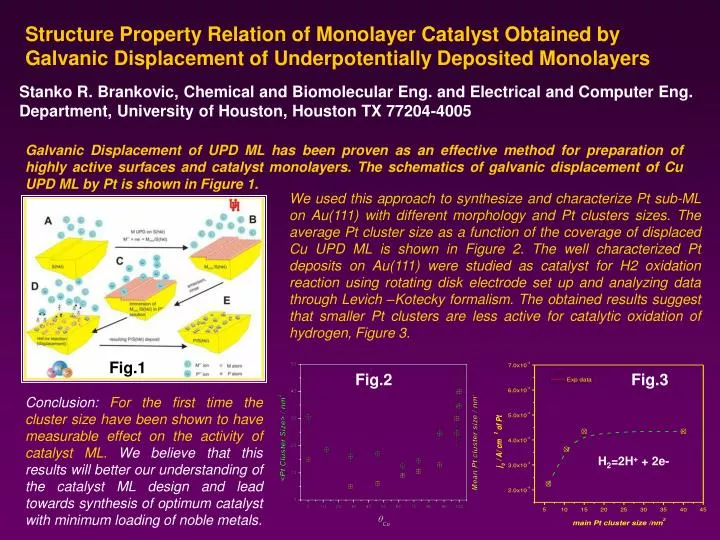
Structure Property Relation of Monolayer Catalyst Obtained by Galvanic Displacement of Underpotentially Deposited Monolayers Stanko R. Brankovic, Chemical and Biomolecular Eng. and Electrical and Computer Eng. Department, University of Houston, Houston TX 77204-4005 Galvanic Displacement of UPD ML has been proven as an effective method for preparation of highly active surfaces and catalyst monolayers. The schematics of galvanic displacement of Cu UPD ML by Pt is shown in Figure 1. We used this approach to synthesize and characterize Pt sub-ML on Au(111) with different morphology and Pt clusters sizes. The average Pt cluster size as a function of the coverage of displaced Cu UPD ML is shown in Figure 2. The well characterized Pt deposits on Au(111) were studied as catalyst for H2 oxidation reaction using rotating disk electrode set up and analyzing data through Levich –Kotecky formalism. The obtained results suggest that smaller Pt clusters are less active for catalytic oxidation of hydrogen, Figure 3. Fig.1 Fig.2 Fig.3 Conclusion: For the first time the cluster size have been shown to have measurable effect on the activity of catalyst ML. We believe that this results will better our understanding of the catalyst ML design and lead towards synthesis of optimum catalyst with minimum loading of noble metals. H2=2H+ + 2e-