Comprehensive Inventory Management for Artists: Tools, Techniques, and Best Practices
Effectively manage your art inventory with a systematic approach. Assess what you own to determine its value for insurance, tax, and disaster assistance. Record key details such as cost, acquisition date, and replacement value. Photograph items and document their history, exhibition records, and provenance. Utilize off-the-shelf databases like GYST or custom spreadsheets for efficient tracking. Safeguard your inventory with regular backups, including off-site storage solutions. Establish a thorough record system to support your career and protect your legacy.

Comprehensive Inventory Management for Artists: Tools, Techniques, and Best Practices
E N D
Presentation Transcript
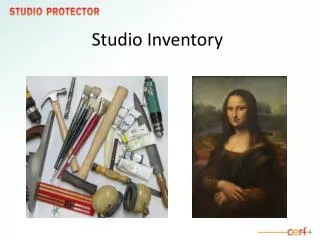
Tools, Equipment, Materials • Assess what you own/have at stake • Record cost, replacement value, acquisition date • Needed for business personal property tax • Establish losses and values for insurance claims • Help establish losses for disaster assistance
Art Inventory • Document art works for career development purposes • Galleries • Collectors • Museums • Researchers • Artist legacy
Art Inventory • Reference to assist in preparation of show submissions, grant applications, client presentations • Assess value for determining amount of insurance needed to cover potential losses • Establish losses for insurance claims
Consignment Records • Keep track of where work is • Exhibition history • Resume • Provenance for collectors, museums, researchers • Artist legacy • Record retail and artist net prices • History of pricing
Sales Records • Track ownership and location of objects • Know who has what • Locate objects for exhibitions • Keep record of prices • Assist in future pricing • Establish values of similar objects • Appraisals • Insurance claims
Ways to Track • Off the shelf databases • GYST • Art Tracker • Custom database • Spreadsheets • Excel, Open Office, or similar • On paper
Spreadsheet Options • Excel • Open Office (freeware) • Upload to Google Documents
Safeguarding • Back up frequently electronically and/or on paper • Store copies in a Safe Off-site Location (SOL) • 50-100 miles away from studio • Physically on CD/DVD/Flash memory • Online “cloud storage” • Multiple copies in case one fails