Download
1 / 16
160 likes | 262 Vues
The Z-Chart offers educators a structured approach to align instruction with measurable learning objectives, focusing on what students should know and be able to do. It emphasizes the importance of constructing clear objectives based on Bloom’s Taxonomy, avoiding common pitfalls like mere activities or textbook-following. Through different squares of the chart, teachers outline general behaviors, broad learning topics, specific behaviors, and detailed content, ensuring that instruction is purposeful and targeted. This framework supports effective planning and assessment in the classroom.

E N D
Alignment of Instruction • Requires teachers to plan using goals for learning “What should the student know and be able to do?”
What planning is not: -Activities based - Just following the textbook -Stringing themes together - Doing a Unit
The teacher must understand how to construct objectives that can be stated in measurable terms.
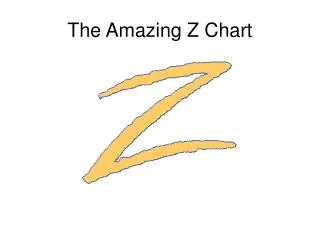
Constructing Learning Objectives – Z Chart Behavior Learning Level of Thinking Unit or Strand 1 2 General Doing - Verb 3 Specific Content 4 Specific
Square 1: The Thinking Box • General behavior or level at which you want students to be thinking. • The only words that will ever appear in this box will refer to a level of Bloom’s Taxonomy
Constructing Learning Objectives – Z Chart Behavior Learning Level of Thinking Unit or Strand 1 2 General Doing - Verb 3 Specific Content 4 Specific
Square 2: The General Learning Box • This box is usually the broad area of instruction: eg. Cycles, Living Things, Food Groups, Fractions, World Interactions, Story Elements, ___________________, _________________________, ______________, ________________ (Info comes from your standards, or tasks)
Constructing Learning Objectives – Z Chart Behavior Learning Level of Thinking Unit or Strand 1 2 General Doing - Verb 3 Specific Content 4 Specific
Square 3: Specific Behavior Box • This is the student “doing box” • Includes specific activities that demonstrate that students are thinking at the target level • Square 3 must match square 1 – Bloom’s Level – match to a Bloom’s activity e.g. Knowledge = listing; application = classify; comprehension = explain
Constructing Learning Objectives – Z Chart Behavior Learning Level of Thinking Unit or Strand 1 2 General Doing - Verb 3 Specific Content 4 Specific
Square 4: Specific Content • Contains the specific content from the broad area or strand (from each grade level or subject) e.g. Living things = three characteristics of a mammal;
“What is it that students should know and be able to do?” • Z-Chart for daily lessons • Pacing guides for month to month • Horizontal map for the year • Vertical maps for year to year
Practice – Z Chart Behavior Learning Level of Thinking Unit or Strand 1 2 General Doing - Verb 3 Specific Content 4 Specific