U.S. Neutrality and Trade Challenges in the Early 1800s
This report discusses the U.S. attempts to maintain neutrality during the conflict between France and Britain in the early 1800s while profiting from trade with both nations. It highlights the limitations faced due to a reduced military under President Jefferson, the failure of the Embargo Act, and the moderate success of the Non-Intercourse Act as partial solutions. Additionally, the political landscape during the election of 1808 and the growing tensions with Native Americans, fueled by public calls for war, are also examined.

U.S. Neutrality and Trade Challenges in the Early 1800s
E N D
Presentation Transcript
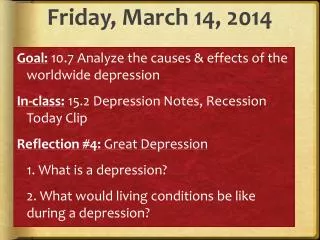
14 March 2014 • Make sure to turn in your report. 5 pts off per day late (not including the weekend). You may submit your assignment electronically. • Have section 3 out of your desk.` • Discuss 10.3 • Begin 10.4
Main themes from 10.3 • U.S. attempts to remain neutral in the conflict between France and Britain while profiting from trade with both countries. • Our military had been drastically reduced by President Jefferson, thus a military response is currently out of the question. • Peaceful attempt to protect our interests on the sea, “Embargo Act”…COMPLETE FAILURE… • Non-intercourse act, slightly more successful; however, not a permanent solution.
Election of 1808, not even close! Demo-Rep Federalist
10.4 Trouble with the Natives. Americans clamoring for war.