Trauma from Natural Disasters
130 likes | 262 Vues
Explore definitions of PTSD and trauma, effects on children, risk factors, coping strategies, and interventions after natural disasters. Learn about attributions and the impact of traumatic events.


Trauma from Natural Disasters
E N D
Presentation Transcript
Trauma:Natural Disasters Meagan L. Howell, M.S. Saint Louis University
Definitions of PTSD • PTSD is defined as a reaction to a traumatic event which creates the subjective feelings of “extreme fear, horror, or helplessness” in the victim. • Two Conceptual Models: • “A normal reaction to an abnormal event” • PTSD is, “… an abnormal reaction to an abnormal event”
Definitions of Trauma • The person experienced, witnessed, or was confronted with an event or events that involved actual or threatened death or serious injury, or a threat to the physical integrity of self or others. • Type I Traumas which are time-limited or acute • Type II Traumas which are pervasive or chronic
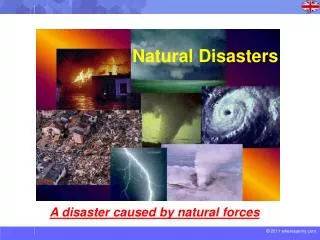
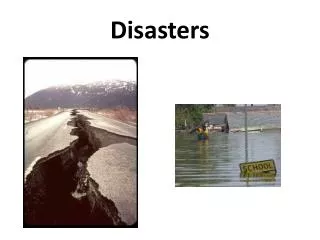
Natural Disasters • Tornadoes • Mudslides/Landslides • Earthquakes • Floods • Hurricanes • Tsunamis • Typhoons • Volcanic Eruptions
Trauma Factors • Immediacy • Proximity • Duration of exposure • Physical injury • Degree of property or personal loss • Evacuation or displacement from the child’s usual environment • Separation of the child from the family
Child Risk Factors • Trauma memory deficits • Negative appraisals • Maintaining maladaptive behavioral and cognitive strategies • Subjective perception of threat • Reactions of the child’s family • Parental Support
Child Risk Factors Continued • Degree of fear during the trauma • Locus of control • Being a new resident or immigrant to the area • Persistent ruminations or worries • Child’s age or maturity level • Previous Trauma • Coping Strategies
Critical Incident Stress Debriefing • Interventions beginning shortly after the disaster will need to focus on a wide-based screening of children and adults throughout the affected area. • Establishing a sense of security and returning the children and adults to a regular schedule will be the primary efforts of first-response interventions. • Relieve immediate distress and work towards preventing maladaptive coping strategies following a disaster.
Attributions following a Natural Disasters • Depends on: • Response to actual EVENT • Response to RESULTS OF EVENT
Attributions following a Natural Disasters • Internal: • External:
Attributions following a Natural Disasters • Global: • Unique/Situational:
Attributions following a Natural Disasters • Stable: • Unstable:
Katrina Study • http://www.hurricanekatrina.med.harvard.edu/