Understanding the Human Body: Systems and Functions Explained
This overview explores the fundamental systems of the human body, including the skeletal, muscular, respiratory, digestive, and nervous systems. It describes the body's structure, average height, and the importance of each system in maintaining health. The skeletal system provides support, the muscular system enables movement, and the digestive system processes food for energy. Additionally, it highlights the role of the respiratory system in breathing through the nose versus the mouth, and introduces the neuron as the core functional unit of the nervous system.

Understanding the Human Body: Systems and Functions Explained
E N D
Presentation Transcript
The human body BY :LASHAELIYAH MCAFFEE
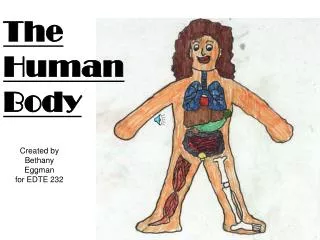
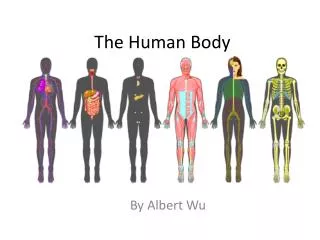
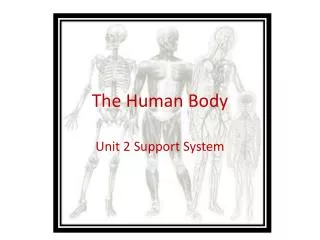
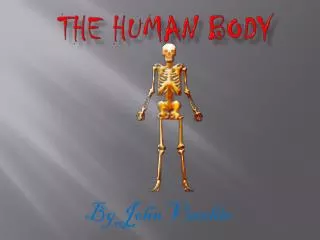
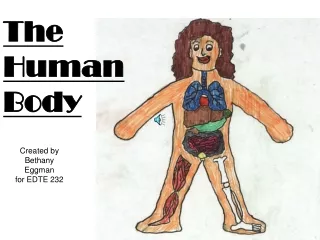
The skeletal system • The human body is made up of a head,neck,torso,two arms,and two legs.The average height of in adult is about 5ft to 6ft tall.
The muscular system • The muscular system is made of red blood ceels,and white blood ceels.
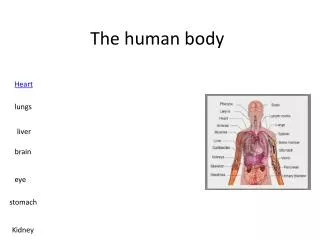
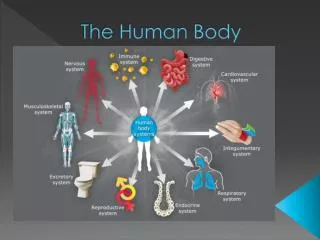
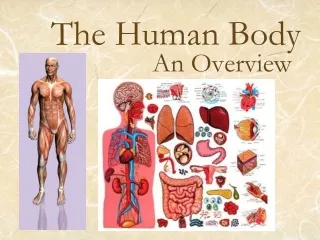
The repertory & digestive system • Although it may seem easier to breathe through the mouth, it is healthier to breathe through the nose. The hairs and mucus the help filter and warm the air as it comes in. • The digestive system is made up of the digestive tract—a series of hollow organs joined in a long, twisting tube from the mouth to the anus—and other organs that help the body break down and absorb food (see figure). • Organs that make up the digestive tract are the mouth, esophagus, stomach, small intestine, large intestine—also called the colon—rectum, and anus. Inside these hollow organs is a lining called the mucosa. In the mouth, stomach, and small intestine, the mucosa contains tiny glands that produce juices to help digest food. The digestive tract also contains a layer of smooth muscle that helps break down food and move it along the tract.
The nervous system • The neuron is the functional unit of the nervous system. Humans have about 100 billion neurons in their brain alone! While variable in size and shape, all neurons have three parts. Dendrites receive information from another cell and transmit the message to the cell body.