Download
1 / 12
120 likes | 253 Vues
This chapter explores mass media's role in society, focusing on its evolution from the party press to today's digital landscape. It discusses the significance of private media outlets, the pressure for sensationalism, and the impact of editor bias. Additionally, the chapter outlines the functions of media in politics, highlighting the dynamic relationship between them. It covers concepts such as gatekeeping, watchdog roles, and the implications of libel and confidentiality. Readers will learn how to critically analyze media stories and discern credible sources.

E N D
The Media AP Government Chapter 12
Mass Media • Type of media that appeals to large numbers of people • Ex—TV, National newspapers • Non-ex The News Herald • Free Press in US
Concerns with Private Media • Private media must make a profit -leads to sensationalism/headlines • Editor Bias—Conservative or Liberal stance on a story. Gatekeepers
4 Era’s of Media • Party press-sponsored by parties/ elite views (1790-1840) • Popular press-private owners -editor bias -mass readership (1840-today) • Opinion magazines-current issues -once large, small # today (1850-today) • Electronic- Radio (1920) TV (1940) Internet (1980)
Media and Politics • They NEED each other • 2 way street • Outlets for print are less—AP, Reuters • Sound bites can be deadly
3 Functions • Scorekeeper • Gatekeeper • Watchdog
Checks and Balances • Libel • Confidentiality—Back and forth in the courts • FCC-public airwaves • Equal time rule/Right of reply
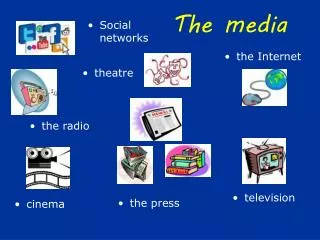
TV Radio Magazines Internet Newspapers Rank ‘em
How to Read a Story • Page 304 • Sources-Credibility • Language-Bias
Types of Stories • Routine—widely covered • Feature—Unique/Special stories • Insider—Privileged information
Limits • Time • Who’s watching? reading? listening? Selective attention
Media and Politics II • Page 308 • Why so many leaks? • 4 sources page 313 PSSSST!