The Domestication Dilemma: Zebras and the Anna Karenina Principle
This exploration delves into the domestication of animals, using zebras as a focal point. It references Tolstoy's idea that “Happy families are all alike," paralleling Jared Diamond's observation on domesticable animals. The text examines key characteristics needed for successful domestication, such as diet, growth rates, and social structure, while highlighting why certain species, like zebras, have remained undomesticated despite their potential. The historical significance of large domestic mammals and their uses in human society is also discussed.

The Domestication Dilemma: Zebras and the Anna Karenina Principle
E N D
Presentation Transcript
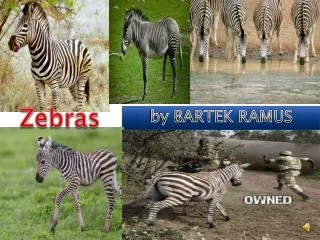
“Zebras …” Animal Domestication & Anna Karenina
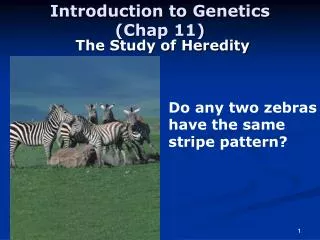
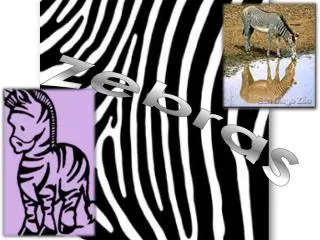
Zebras … • Two Principles: Tolstoy (Anna K): “Happy families are all alike; every unhappy family is unhappy in its own way.” Diamond (GGS): “Domesticable animals are all alike; every undomesticable animal is undomesticable in its own way.”
Zebras … • So What Does That Mean? • Failure in anyone essential aspect can doom a marriage, or the domestication of animal, even if all other elements for success are met.
Zebras … • Big Domestic Mammals Were Important • Meat • Milk • Fertilizer • Land Transport • Military Assault (horses) • Plow Traction • Wool • Germs
Zebras … • Small Domestic Animals & Birds also of Use in Ancient Times: Animal/ BirdAreaUse Chicken China Meat/eggs Ducks/Geese Eurasia Meat/eggs Turkeys Mesoamerica Meat/eggs Guinea Fowl Africa Meat/eggs Muscovy Ducks S. America Meat/eggs Wolves (Dogs) Eurasia/N.A. Pets/ Hunting Small Rodents All Meat
Zebras … • Why Choose Big Terrestrial Herbivores? • Big: Weighing more than 100 pounds • More meat, replace human labour • Terrestrial: On land • Sea and sky creatures hard to herd or harness • Herbivore (Omni?): Does not eat meat! • Raise non-carnivorous, for obvious reasons
Zebras … • The Big Terrestrial Herbivores (p. 160, Table 9.1) • Only 14 domesticated before 1900 • Only 5 became widespread: • Cow • Sheep • Goat • Pig • Horse • Others include: • Arabian Camels (one-hump), Bactrian Camel (two-hump) Llama/Alpaca, Donkey, Reindeer, Water Buffalo, Yak, Bantang (Bali cattle) & Gaur (Mithan)
Zebras … • Tame vs. Domestic • Morphological change & captive breeding is essential to domestication • Tame Elephant vs. Domestic Cattle • “… selectively bred in captivity and modified from its wild ancestors, for use by humans who control the animals breeding and food supply.” • Two forces of change: • Human Selection • Animal Response to Human Selection
Zebras … From Guns, Germs and Steel, p 162
Zebras … • Location of Animal Domesticates: • Unequal Distribution of Ancestral Species • Most in Eurasia • World’s largest land mass • Diverse Environment • Largest Number of “candidates” • But, was the unequal distribution due to human cultural bias? • No, for five reasons …
Zebras … • Five Reasons: • Rapid Uptake of Eurasian Domesticates • Penchant for Keeping Pets • Rapid Domestication of Ancient 14 • Repeated Independent Domestication • Limited Success of Modern Domestication Therefore, definitely not a human cultural bias
Zebras … • So why didn’t any of the other 148 candidates make the cut? • Anna Karenina Principle • Diet • Growth Rate • Problems with Captive Breeding • Nasty Disposition • Tendency to Panic • Social Structure
Zebras … From Guns, Germs and Steel, p 162
Assigned Readings For Friday: Course ReaderG G S “Spacious Skies …” pp47-54 pp176-191 By Diamond (GGS) ------------------------------------------------------------------------------- For Monday: Course (at least to p. 78) ReaderG G S Medievil Section pp60-93 By Walburger