Comprehensive Business Development Steps: From Ideation to Maturity
This guide outlines the essential phases of business development, focusing on pre-investment, post-investment, and nearing maturity. Phase 1 emphasizes ideation, team building, and creating a compelling business plan, while Phase 2 covers knowledge development, market analysis, and product specifications leading to an initial product launch. In Phase 3, the focus shifts to scaling, managing alliances, and building credibility. Finally, Phase 4 involves governance systems, stakeholder management, and identifying growth strategies, providing a thorough roadmap for business success.


Comprehensive Business Development Steps: From Ideation to Maturity
E N D
Presentation Transcript
Typical Business Development StepsBus 290 Richard Okumoto
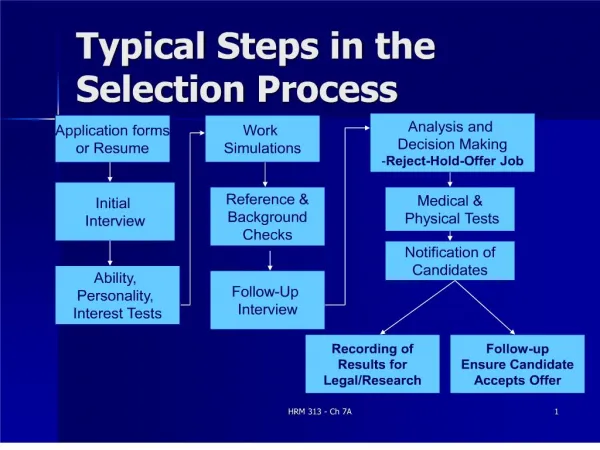
Phase 1: Pre-Investment • Great Idea(s) • Team building: founders vs. non-founder • First business plan: compelling, feasible, and doable • External Organizations: Lawyers, CPAs, Investors • Building social networks • Getting support; finding advisors; plugging gaps • Writing a full-blown business plan • How much, how long, how big • Building Social and Knowledge Capital
Phase 2: Pre-Investment • Knowledge development: defining, linking & integrating functional capabilities & organizational systems • Customer, Competitor, & Market Analysis • Complete Product Requirements Specification (PRS) • Prototype Development • Product development based on PRS • Preparations for market entry • Alpha, beta product rollout (Go-to-Market Plan) • Initial product launch • Production upgrades & new versions: product road-map • Upgrading Functional Systems; building accounting and financial systems – scale for operations • Investor relations; finding, getting & managing serious money • Building Credibility Capital
Phase 3: Post-Investment • Revenues • Alliances; securing, deepening, exploiting alliances • Knowledge management - Building learning systems • Scale business • Organization and business process design • Going global • Sales management; direct/indirect; supplier and channel relations • Professional Management
Phase 4: Nearing-Maturity • Building a governance system • Managing stakeholder relationships: • Employees • Customers • Suppliers • Shareholders • Others • More Financing rounds – seed through first, second, third & beyond • Growth & profit strategies • Liquidity event (if appropriate) privately held; M&A; IPO
Product Development CycleBus 290 Rich Okumoto