ISM-Houston Mentoring Program Summary 2013-2014
The ISM-Houston Mentoring Program, running from 2013 to 2014, aims to support students, professionals, and individuals in transition. The program encourages socialization into the supply chain business world and provides resources for career development. With a commitment to mentorship, participants gain insight from seasoned professionals while fostering networks. The goals include improving member engagement and career clarity, with a target of 30 mentors and mentees participating. The program is a valuable community service, showcasing commitment to advancing future leaders in supply chain management.

ISM-Houston Mentoring Program Summary 2013-2014
E N D
Presentation Transcript
MENTORING 2013-2014 Program Year Alex Alvarez Peter Dill ISM Houston Mentoring July 29, 2013
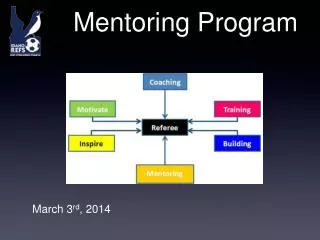
Mentoring Program Summary • Mission: • A volunteer service offered by ISM-Houston members for students, professionals and in transition professionals who are members of an ISM-Houston and student affiliate • 2013-2014 Goals: To advance the 3 demographics being student, professionals and individuals in transition socialization into the supply chain business world • Encourages students to pursue Supply Management career paths • Develops current members & future leaders of ISM-Houston • Provide a support resource for the professional in-transition • Primary Metrics and Targets • Meet program plan target dates and budget • At least 30 mentors/mentees participate with mentoring program • 90% of participants complete the term of the mentoring calendar year
Mentoring Program • Benefits to the Mentee • Learn from a seasoned professional • Acquire new knowledge and perceptions • Acquire insight on company cultures, dynamics, politics and etiquette • Make new contacts and grow a network • Gain greater career clarity • Gain self confidence • Opportunity to gain insight for further development via partnering with Career Services
Mentoring Program • Benefits to the Mentor • Opportunity to share expertise and relive professional experiences. • Demonstrate ability to develop new and current talent • Acquire a fresh perspective on professional issues and work/life balance (get out of your rut!) • Perform a valuable community service • Advance ISM standards for current and future generations of ISM professionals • Playing a valuable role of supporting individuals In-Transition • Pay it forward!
Mentoring Program What this Program is not— • A work program, whether for pay or for free. • An avenue for the student, professional, or in-transition professional to seek employment, internship or full time, with the Mentor’s company or organization. • In any way affiliated with any internship program at the Mentor’s company or organization.
Mentoring Program General Guidelines • Mentor is advisor/coach only • No compensation is to be provided to either the Mentor or the Mentee • If there are any questions regarding the mentor/mentee relationship, do not hesitate to contact any of the program chairs: • Alex Alvarez, alvarez.alex@gmail.com • Peter Dill, peterdill89@gmail.com • Michelle To, UH Student Contact, alumni@ismbauer.org • Dr. Victor Wayhan, UH Faculty Contact, vwayhan@uh.edu
Mentoring Program • Time Requirements • Six month commitment • Sessions should occur once or twice a month • Sessions should run about 1-1/2 hours each • Pre-arranged meeting times and locations determined by matched pair • Sessions held on campus, at mentor’s place of business or in public location such as Starbuck’s
Mentoring Program • Mentor & Mentee Commitment • Value each other’s time • Respect the each other’s experience and knowledge • Stay in touch • Keep scheduled appointments • Be on time and be prepared • Require mentee participate with Career Services Workshops in focus areas such as Current Career Enhancement , Job Transition Support and Networking • Be fully engaged
Mentoring Program • Suggested First Meeting • First meeting at the mentor’s place of work – sets the tone • Identify and agree on goals, venue, time, frequency, rules of engagement, etc. • Tour the mentor’s workplace • Review resumes of both Mentee and Mentor • Set the next meeting date at the end of every session
Mentoring Program • Suggested Activities Over the 6 Months • Discuss career goals, paths, challenges and possibilities • Review Curriculum Options • Discuss current business issues • Talk about various industries and roles • Attend a business meeting with mentor • Discuss a typical day-in-the-life • Attend professional association meeting • Provide feedback on student’s course work • Practice interviewing skills